Electroplating Anodes
Titanium anodes for electroplating, coated with mixed metal oxide (MMO) or platinum, and fabricated to your tank dimensions. Grade 1 / Grade 2 titanium substrate to ASTM B265, coatings of RuO₂ IrO₂, IrO₂ Ta₂O₅ or Platinum, up to 2000 A/m² current density, and a typical service life of 2 to 5 years.
ASTM B265 Titanium
Grade 1 / Grade 2 substrate
2 to 5 Year Life
Under normal operating conditions
15 to 20 DaCoatingsy Lead Time
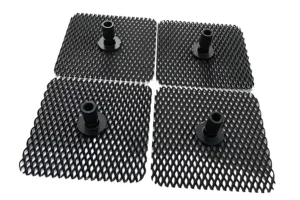
Mesh and plate anodes
Quote in 24 Hours
On working days
Key Facts at a Glance
Product type
Dimensionally stable titanium anode (DSA / MMO coated) for electroplating
Substrate
Titanium Grade 1 / Grade 2, ASTM B265
Coating options
RuO₂ IrO₂, IrO₂ Ta₂O₅ Platinum (Pt 99.99%)
Available forms
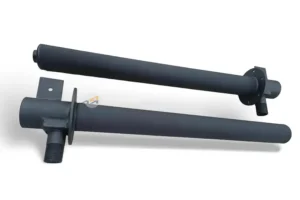
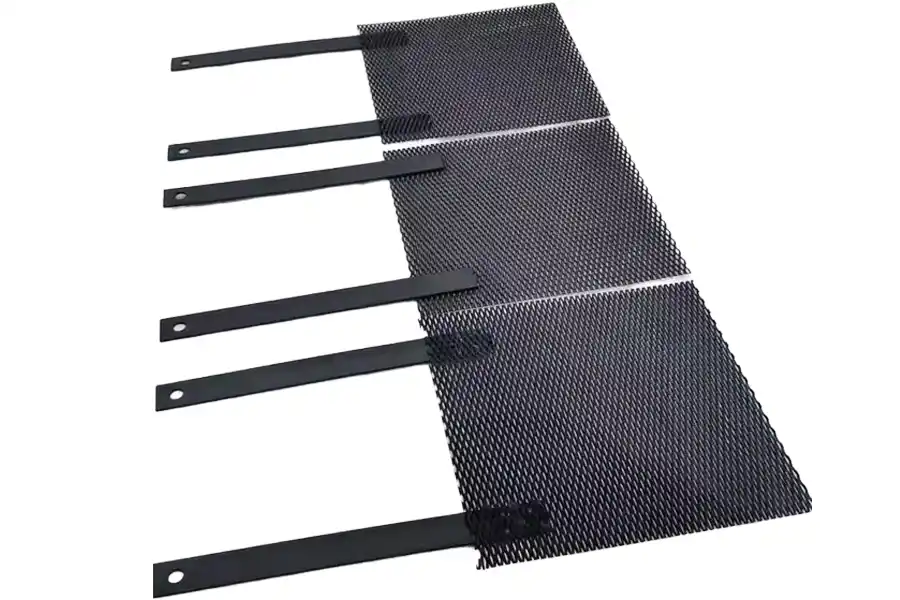
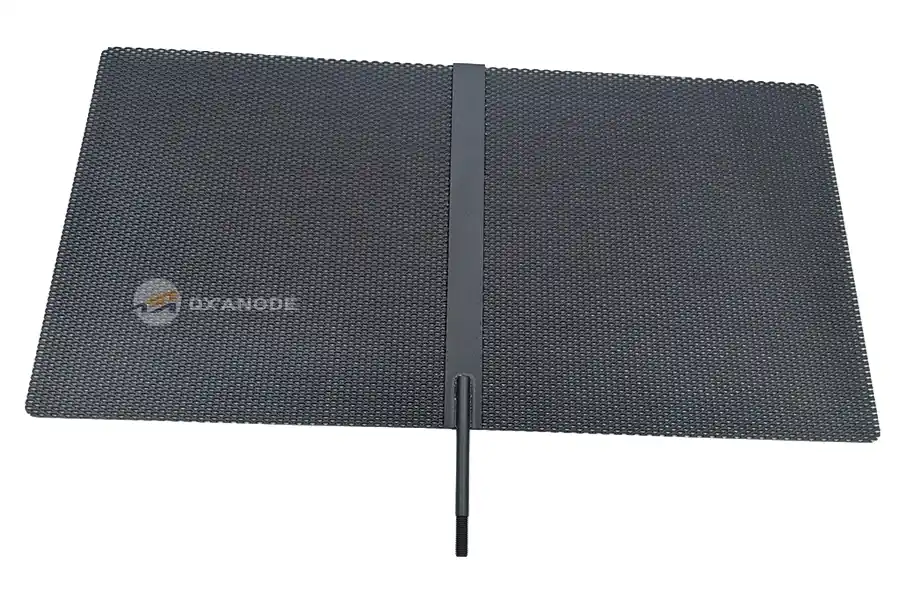
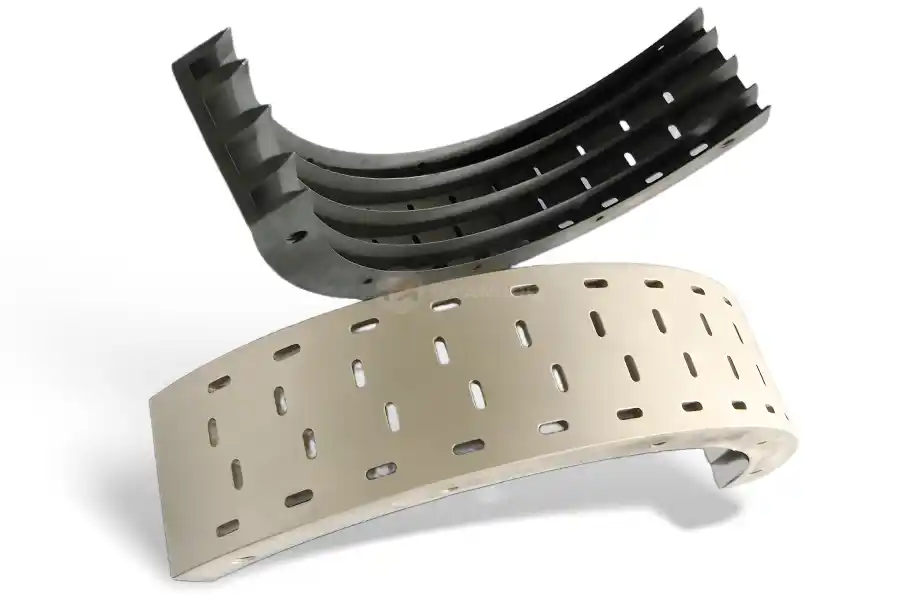
Mesh, expanded mesh, plate, sheet, tube, rod, custom geometry
Coating thickness
5 to 20 micrometers (MMO)
0.5 to 5 micrometers (Pt)
Max current density
Up to 2000 A/m²
Operating temperatu
Up to 60°C
pH range
0 to 14 (application dependent)
Service life
2 to 5 years under normal operating conditions
Lead time
10 to 15 working days (mesh and plate)
15 to 20 (custom formed)
Quotation turnaround
Within 24 hours on working days
Trade terms
EXW, FOB, CIF
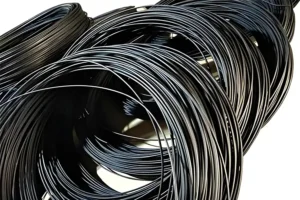
Product Gallery
Forms and Geometry
Overview
What Is a Titanium Anode for Electroplating
A titanium anode for electroplating is a dimensionally stable anode (DSA) used in plating tanks as the positive electrode that drives metal deposition on the cathode. Unlike soluble lead or graphite anodes, the titanium anode does not dissolve into the bath. The titanium substrate carries the load, and the active coating on the surface carries the electrochemical reaction. Because the anode holds its geometry, current distribution stays consistent and plating thickness stays predictable over thousands of operating hours.
This combination of stable geometry and clean bath chemistry is why titanium anodes have replaced lead anodes across most modern hard chrome, precious metal, and high purity plating lines.
Coating Systems
Coating Types: MMO and Platinum
We supply two coating families, and the right one depends on your bath chemistry, current density, and the metals you are plating.
MMO Coated Titanium Anodes
MMO (mixed metal oxide) anodes use a layer of ruthenium iridium titanium oxide or iridium tantalum oxide applied over a roughened titanium surface. They are the workhorse of the plating industry.
- Handle chloride rich baths well
- Operate at moderate to high current density (up to 2000 A/m²)
- Lower cost per square meter than platinum
- Common in copper, nickel, zinc, tin plating and electrowinning
Platinum Coated Titanium Anodes
Platinum coated anodes, also called platinized titanium anodes, carry a thin layer of 99.99% pure platinum bonded to the titanium substrate.
- Extremely high oxygen evolution potential
- Resist chromic acid and other aggressive baths
- Zero anode dissolution keeps the bath pure
- Standard for hard chrome, decorative chrome, gold, silver, and precious metal plating
Technical Data
Full Specifications
Parameter | Specification |
|---|---|
Substrate material | Titanium Grade 1 / Grade 2, conforming to ASTM B265 |
Coating options | RuO₂ IrO₂, IrO₂Ta₂O₅, Platinum |
Available forms | Mesh, expanded mesh, plate, sheet, tube, rod, custom geometry |
Coating thickness | 5 to 20 micrometers for MMO; 0.5 to 5 micrometers for platinum |
Noble metal loading | 5 to 50 grams per square meter, tailored to your process |
Maximum current density | Up to 2000 A/m² |
Operating temperature | Up to 60°C |
pH range | 0 to 14, application dependent |
Typical service life | 2 to 5 years under normal operating conditions |
Connection options | Titanium or copper conductor bar, threaded stud, welded tab |
Production lead time | 10 to 15 working days (mesh and plate); 15 to 20 working days (custom formed) |
Use Cases
Applications
Our titanium anodes go into plating shops and OEM production lines. If your process is not listed, send us the bath chemistry and operating parameters and we will tell you whether a titanium anode is a fit.
Hard Chrome Plating
Platinum coated expanded mesh anodes are the standard replacement for lead anodes in hard chrome tanks. They eliminate lead sludge, maintain constant anode area, and give a more uniform chromium deposit.
Decorative Chrome Plating
Platinum coated plate and mesh anodes used in trivalent and hexavalent chrome baths for automotive trim, bathroom fixtures, and household hardware.
Gold and Silver Plating
Platinum coated anodes keep the precious metal bath free of dissolved anode impurities, essential for a bright, pore free deposit on jewelry, electronics connectors, and switchgear contacts.
Copper Plating
MMO anodes for acid copper plating on PCB panels, decorative parts, and electroforming. The expanded mesh form gives excellent throwing power into deep holes and recessed areas.
Nickel Plating
MMO anodes for bright nickel, semi bright nickel, and electroless nickel lines where soluble nickel anodes cause pitting and bath contamination.
Zinc and Tin Plating
MMO anodes for alkaline zinc, acid zinc, and tin plating lines used in fastener manufacturing, coil coating, and food packaging.
Selection Guide
Coating Selection by Application
| Application | Coating | Reason |
|---|---|---|
| Hard chrome / decorative chrome | Platinum | Highest resistance to chromic acid; longest life in aggressive baths |
| Gold, silver, precious metal plating | Platinum | Zero anode dissolution keeps the bath free of impurities |
| Acid copper, nickel, tin plating | MMO (RuO₂ IrO₂) | Cost effective at moderate current densities in sulfate baths |
| Alkaline zinc plating | MMO (RuO₂ IrO₂) | Stable performance in high pH electrolytes |
| Electrowinning, metal recovery | MMO (IrO₂ Ta₂O₅) | Iridium tantalum formulation resists acid corrosion at high current density |
| Wastewater oxidation | MMO (IrO₂ Ta₂O₅) | Oxygen evolution selectivity suits organic oxidation duty |
Manufacturing
Custom Fabrication and Quality Control
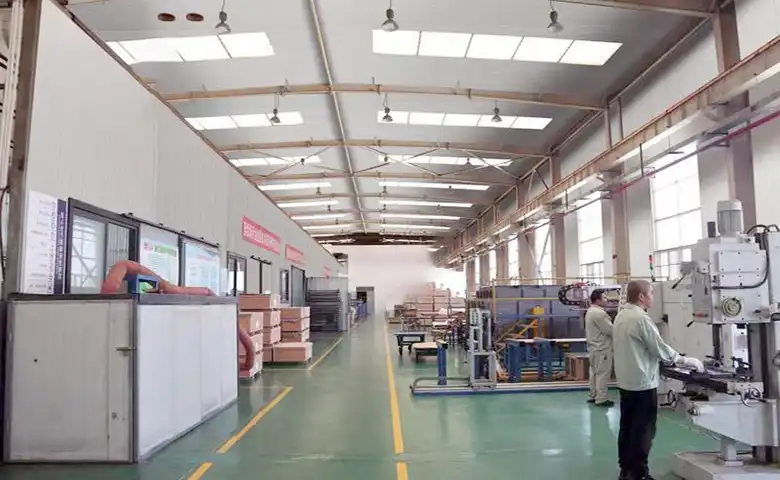
We are not a trading company. We cut the titanium, weld the assemblies, apply the coating, and test every batch in our own facility. The engineer who quotes your job is the same engineer who signs off on the finished anode.
Coating matched to your bath
Tell us the bath type, current density, temperature, and expected operating hours, and we recommend the oxide ratio and noble metal loading that gives you the longest service life at the lowest cost per square meter.
Custom fabrication
Send a drawing, a sketch, or just the tank dimensions and we will build the anode to fit. We produce flat mesh, formed mesh, solid plate, perforated plate, tube, rod, and segmented baskets. Conductor bars, mounting brackets, and insulation sleeves are welded or fitted in house.
Surface preparation
Every titanium substrate goes through bead blasting or acid etching to create a rough, clean surface before coating. This is the step that determines whether the coating stays bonded for years or starts to spall after a few months. We test adhesion on every batch.
Inspection before shipping
Each anode is checked for coating continuity, dimensional accuracy, and bonding quality.
Technical support after delivery
Reach the production engineer directly for help with current density setting, anode spacing, bath compatibility, and troubleshooting coating deactivation.
Questions and Answers
Frequently Asked Questions
What coating should I choose for chrome plating?
For hard chrome and decorative chrome plating, platinum coated titanium anodes are the standard choice. Platinum has a high oxygen evolution potential and resists the chromic acid bath. MMO coatings with iridium tantalum oxide also work in some chrome applications, but platinum gives the longest service life in chromic acid.
Can titanium anodes replace lead anodes in my plating line?
Yes. Titanium anodes are dimensionally stable and do not dissolve into the bath, which eliminates lead sludge and reduces bath contamination. Most customers see a measurable drop in anode maintenance and a more consistent plating thickness after switching. The initial cost is higher, but the total cost over the service life is usually lower.
What is the difference between MMO and platinum coated anodes?
MMO anodes use a mixed metal oxide coating, typically ruthenium iridium or iridium tantalum, and are suited for chloride rich baths and general plating at moderate current densities. Platinum coated anodes use a thin layer of pure platinum on titanium and are preferred for precious metal plating, hard chrome, and processes that demand a very high oxygen evolution potential. Platinum anodes generally cost more but last longer in aggressive baths.
How long does a titanium anode last in production?
Under normal operating conditions, most titanium anodes run for 2 to 5 years before the coating needs renewal. Actual service life depends on current density, bath chemistry, temperature, and whether fluoride ions are present. We provide a coating loading recommendation based on your process parameters so you get a predictable lifespan.
Do you manufacture custom sizes and shapes?
Yes. We fabricate anodes to your drawing or tank dimensions. Common forms include flat mesh, expanded mesh, solid plate, tube, rod, and segmented baskets. We also weld on copper or titanium conductor bars and mounting hardware. Send us your tank layout and we will return a design proposal within two working days.