DSA Coated Titanium Anode
Here, you will gain a more comprehensive understanding of titanium anodes.For the full picture from substrate to service life, start with our complete guide to titanium anodes.
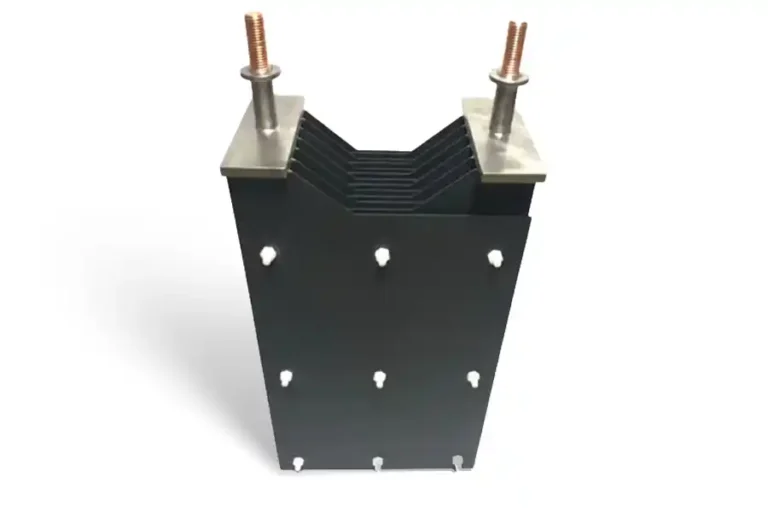
In the 1960s, researchers developed titanium-based, oxide-coated electrodes using titanium as the substrate and coating its surface with metal oxides. These electrodes became known as DSA (Dimensionally Stable Anodes). The coating oxides mainly include RuO₂, IrO₂, Ta₂O₅, PbO₂, and SnO₂. After more than 60 years of development, titanium anodes have been widely used in industrial fields such as chlor-alkali production, chlorate production, water electrolysis, sewage treatment, organic synthesis, cathodic protection, and electrolysis.
What is a titanium anode?
A titanium anode — also known as a titanium-based metal oxide coated electrode, or a dimensionally stable anode (DSA) — is a new type of insoluble anode material developed in the late 1960s. Before that, traditional anode materials such as graphite and lead had many disadvantages. For example, graphite electrodes were prone to wear and tear, and lead electrodes produced toxic substances during use. With the progress of materials science and electrochemical technology, researchers began to explore the possibility of using titanium metal as the anode substrate. Titanium offers good corrosion resistance and mechanical strength, laying the foundation for the development of coated titanium anodes.
In the following decades, researchers continuously explored and improved the composition and preparation of the coating. The main components of the coating are precious metal oxides, such as ruthenium, iridium, and platinum. With in-depth research and growing adoption, titanium anodes have gradually replaced traditional platinum, graphite, and lead alloy anodes, thanks to their good electrical conductivity, corrosion resistance, mechanical strength, and processing performance, as well as their long service life. They have become mainstream and are now widely used.
Titanium anodes are mainly applied in the fields of electrochemistry and electrometallurgy, such as the chlor-alkali industry, chlorate production, hypochlorite production, perchlorate production, persulfate electrolysis, electrolytic organic synthesis, electrolytic extraction of non-ferrous metals, cathodic protection, copper plating of PCBs, and galvanizing of steel plates.
During the development of titanium anodes, metal oxide coating technology has been significantly improved. For example, oxygen-evolution-type precious-metal-coated titanium anodes have shown great development potential in the field of non-ferrous metal electrolysis. Research and development focus mainly on modifying IrO₂–Ta₂O₅ coatings by different methods, aiming to improve their electrocatalytic activity and stability. These studies cover not only the preparation method of the coating, but also the discussion of the coating failure mechanism.
The research and application of titanium anodes have made significant progress in recent years, especially in improving electrocatalytic activity, reducing energy consumption, and improving production efficiency. With the continuous advancement of technology, the application prospects of coated titanium anodes will be even broader.
Classification of coated titanium anode
Ru–Ir titanium anodes
Ru–Ir titanium anodes are chlorine-evolution-oriented MMO (mixed metal oxide) dimensionally stable anodes. They are widely used in sodium hypochlorite disinfection generators, seawater electrolysis, marine cathodic protection, brine electrolysis, and chloride-rich water treatment systems.
Ir–Ta titanium anodes
The Ir–Ta titanium anode is a dimensionally stable mixed-metal-oxide anode mainly designed for the oxygen evolution reaction. It is widely used for copper foil electrodeposition, acidic electroplating, and wastewater electrolysis.
Platinized titanium anodes
A platinized titanium anode is an insoluble anode with pure platinum electroplated onto a titanium substrate. It combines titanium’s mechanical strength with platinum’s outstanding corrosion resistance and catalytic properties, and is widely used for precious metal plating, cathodic protection, and precision electrolysis.
Lead dioxide titanium anodes
Lead dioxide titanium anodes (Ti/PbO₂) are insoluble high-oxidation anodes. They are widely used for refractory organic wastewater degradation, copper/zinc electrowinning, hard chrome plating, and advanced electrochemical oxidation anodess in strong-acid electrolytes.
Why choose titanium as the anode substrate?
The selection of titanium as the anode substrate is mainly based on the following reasons.
Excellent corrosion resistance: Titanium can exhibit extremely high corrosion resistance in various chemical environments. Whether in strong acids, strong alkalis, or other corrosive media, titanium remains stable and is not easily corroded or damaged. This enables titanium-based anodes to operate stably under harsher electrochemical working conditions.
Outstanding physical properties: Titanium has high strength and hardness, can withstand the mechanical stress and vibration generated during the electrolysis process, and is not easily deformed or damaged. For example, in large electrolytic cells, titanium anodes can withstand the impact force caused by liquid flow and electrode reactions.
Low density and light weight: Compared with other metals with similar properties, the density of titanium (4.51 g/cm³) is relatively low, which lowers the overall weight of the anode assembly, reduces structural load as well as installation and maintenance costs, and improves overall efficiency.
Good processing performance: Titanium has good processability and can be made into various complex shapes and anodes of multiple specifications to meet the requirements of different electrolytic equipment and processes.
These excellent properties make titanium an ideal anode substrate, providing stable, efficient, and durable anode materials for electrochemical processes.
Why can’t titanium be used directly as an anode?
Copper, iron, aluminum, and other metals can be used directly as anodes. The oxidation reactions of copper, iron, aluminum, and stainless steel during electrolysis occur relatively easily, and these metals can lose electrons under certain conditions to form ions and enter the solution. In an appropriate electrolyte, the outer electrons of copper atoms are more easily lost, so copper can act as an anode and participate in the electrolysis process. Iron is prone to oxidation under specific circumstances, forming iron ions. Although aluminum usually has an oxide film on its surface, it can also lose electrons under specific conditions. Due to its composition and structural characteristics, stainless steel can act as an anode in some electrolytic systems.
Titanium, however, has strong corrosion resistance and chemical stability. Its surface quickly forms a dense, stable oxide film. This oxide film prevents further oxidation and electron loss of titanium, resulting in high resistance and poor conductivity when titanium is used as an anode. Therefore, titanium metal is also called a unidirectional current-carrying valve-type metal during electrolysis.
What is a unidirectional valve-type metal?
Unidirectional current-carrying valve-type metals are characterized by an obvious directional limitation in current conduction: they are non-conductive when used as anodes but conductive when used as cathodes. This unidirectional conductive property makes them very useful in specific applications, such as electrochemistry. This characteristic comes from the difference in electrical conductivity caused by the oxide film formed on their surfaces.
Take titanium as an example. When the metal is anodically polarized (a positive potential is applied), a dense, stable oxide film forms rapidly on the surface. Like a one-way valve, the film passes current in only one direction and effectively blocks it in the reverse direction.
Titanium anode production process and procedure
The manufacturing process of titanium anodes mainly includes the following ten steps.
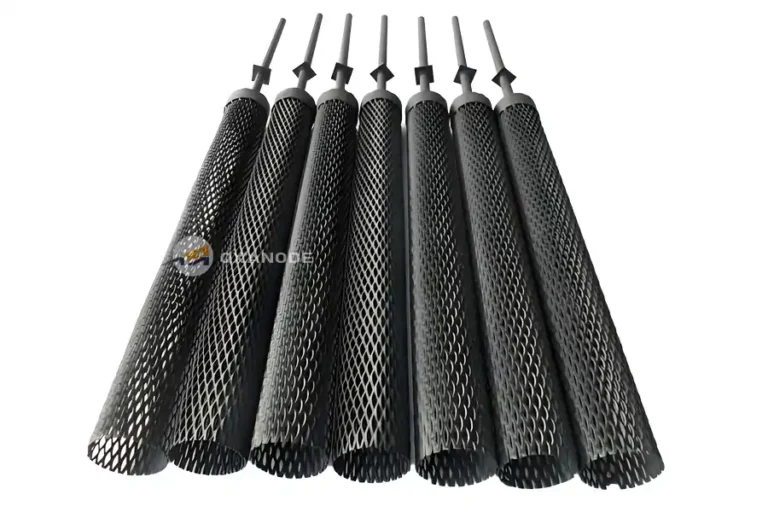
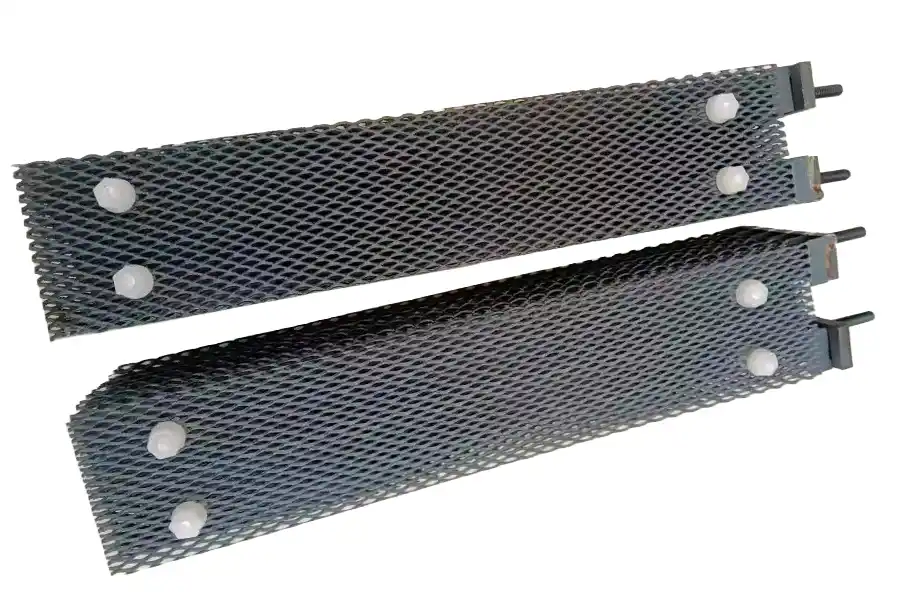
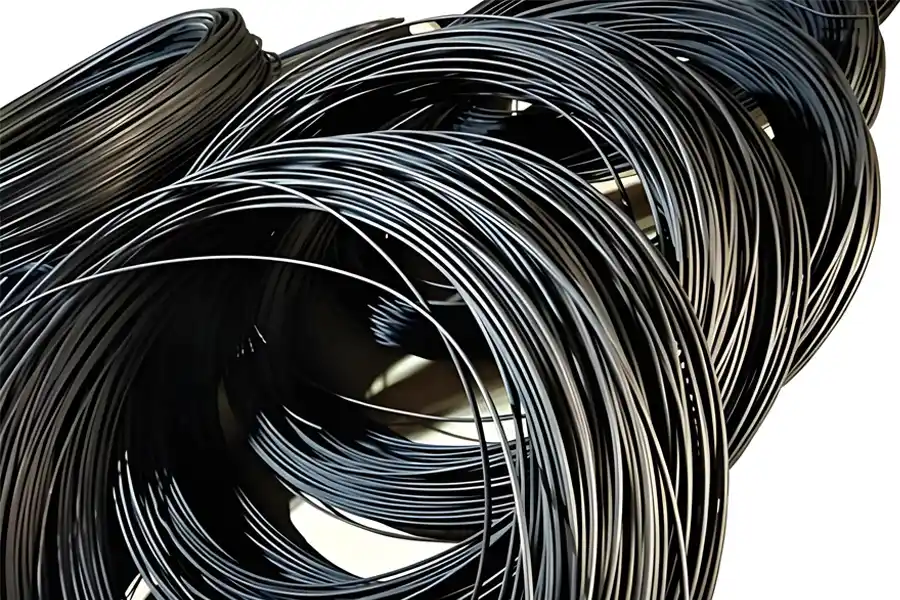
- Material selection: The anode substrate is typically Grade 1 (Gr1) titanium. Based on the drawings, we choose the appropriate semi-finished form — sheet, plate, rod, wire, tube, strip, or mesh.
- Forming and machining: The selected titanium stock is cut, formed, and machined into the required anode dimensions and geometry.
- Welding: The finished titanium material is welded using argon arc (TIG), resistance, or arc welding to ensure sound welds with high mechanical strength.
- Roughening treatment: The processed substrate is sandblasted or acid-etched to improve adhesion between the substrate and the coating and to enlarge the anode’s effective surface area.
- Flattening annealing: After machining and sandblasting, the substrate may be deformed due to processing stress. High-temperature annealing eliminates internal stress and makes the material flatter.
- Pickling and etching: After annealing, a dense layer of titanium dioxide forms on the product surface. This oxide layer must be etched away before coating: the substrates are boiled in an oxalic acid bath, which dissolves the blue annealing oxide and leaves a uniformly roughened surface.
- Coating solution preparation: Precious-metal loading is tailored to each industry and application; the ratio and order in which raw materials are added must be strictly controlled.
- Coating processing: The prepared coating solution is evenly applied to the substrate surface, dried, and then sintered. This process is repeated 18 to 22 times to meet the corresponding industry requirements for precious metal content.
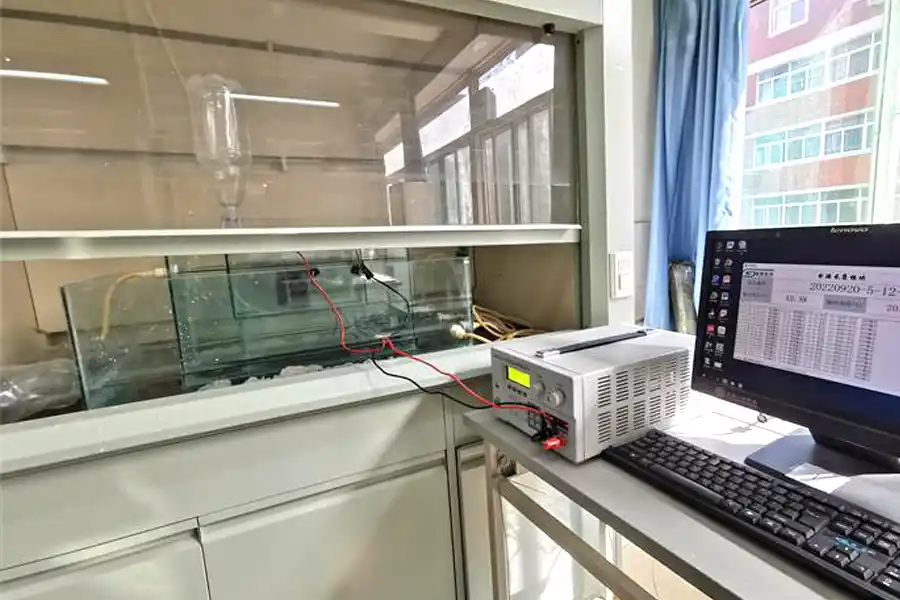
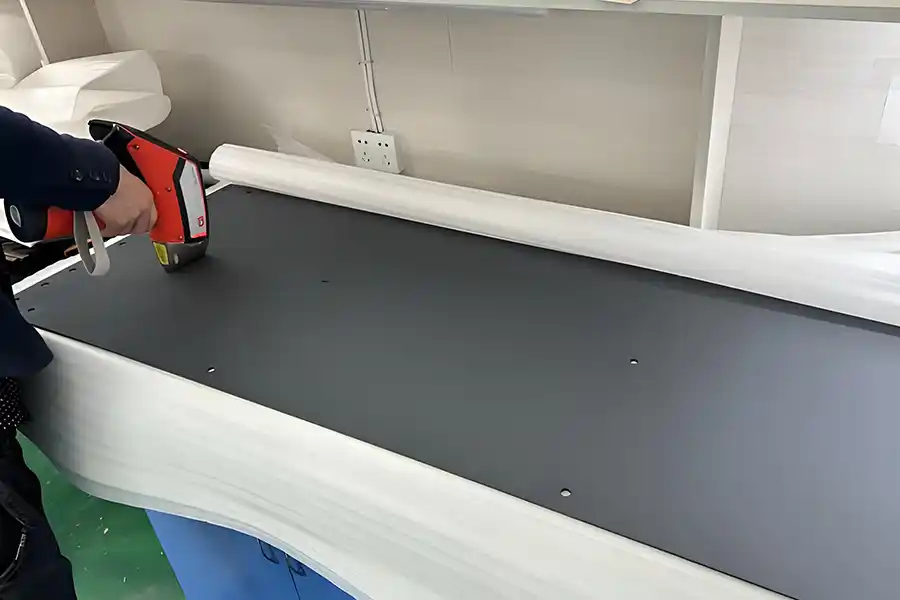
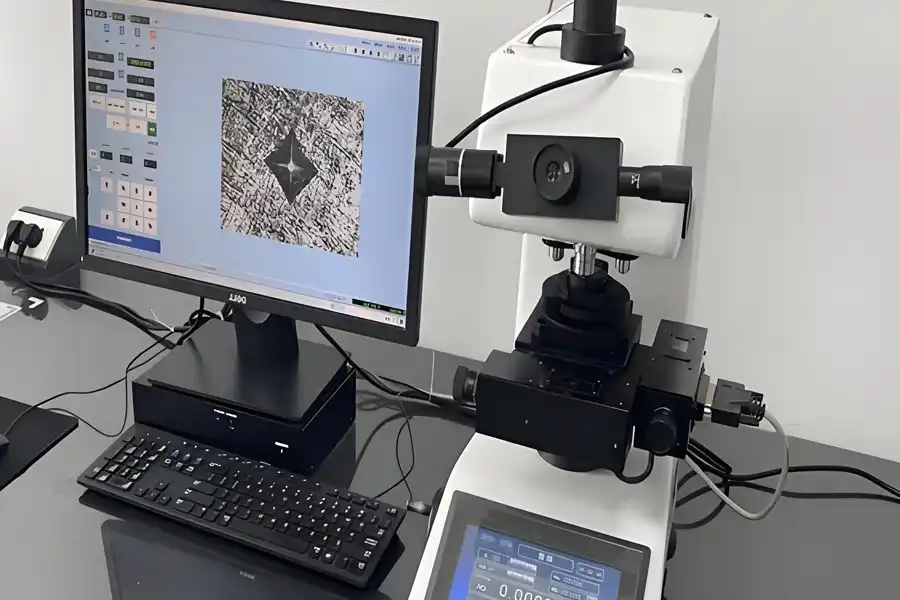
- Inspection: Every anode is inspected for coating appearance, uniformity, porosity, and accelerated service life to verify compliance with industry and customer standards.
- Packaging: Qualified anodes are carefully packed, with protection to keep the coated surfaces free from scratches and damage.
Application fields of titanium anode
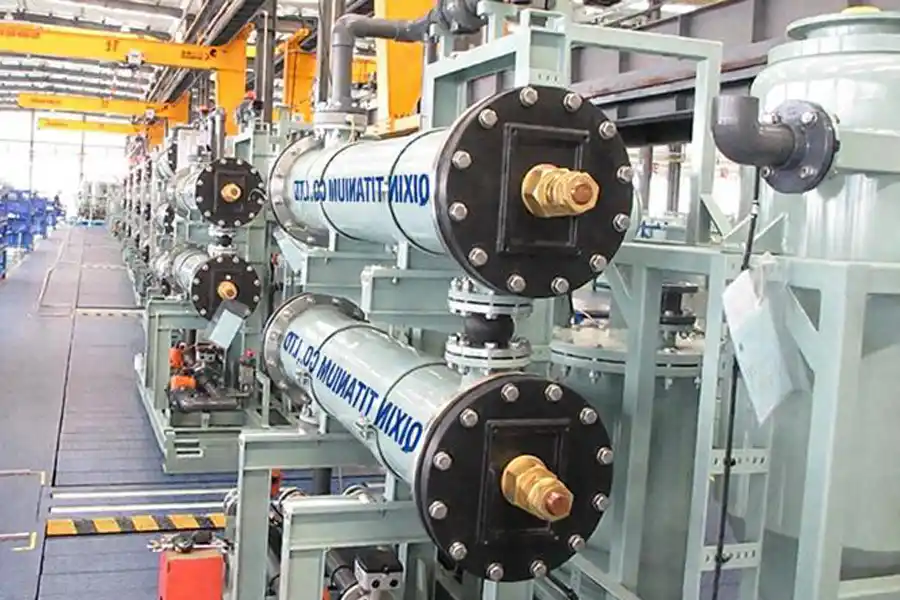
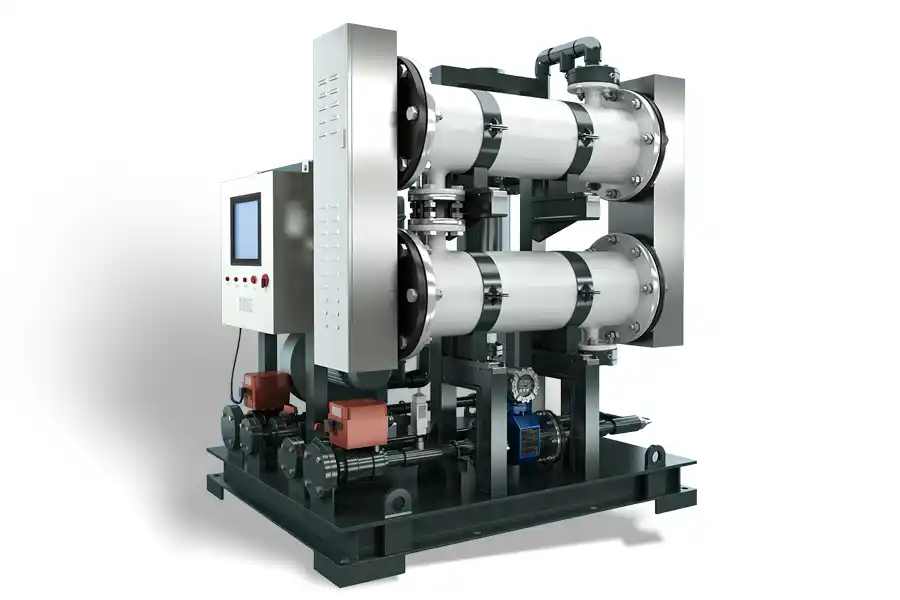
Titanium anodes are used across many industries.
Chlor-alkali industry
Titanium anodes are widely used in the production of caustic soda by the traditional diaphragm method and the ion-exchange membrane method. They resist corrosion by both chlorine and caustic solutions. Compared with graphite anodes, their service life increases significantly — the service life of graphite anodes is generally 8 months, while titanium anodes can last more than 6 years. They can work at a high current density to improve production efficiency. Due to the fine bubbles generated on their surface and their rapid detachment, the resistance between the electrodes and the cell voltage are reduced. This avoids pollution of the electrolyte and cathode products, improving both chlorine purity and caustic concentration.
Hydrometallurgy
Titanium anodes are used in the electrolytic extraction of non-ferrous metals such as copper and nickel. They remain stable in relatively harsh electrolyte environments, overcome the corrosion and dissolution problems of some traditional electrode materials, can be reused multiple times, and reduce production costs. They also improve current efficiency and the purity of the extracted metals without causing secondary pollution to the products.
Electroplating industry
Titanium anodes serve as insoluble anodes in various electroplating processes, such as nickel plating, gold plating, chromium plating, zinc plating, and copper plating. Their surface carries a coating of precious metal oxides with high electrochemical catalytic performance. The oxygen evolution overpotential is lower than that of traditional lead alloy insoluble anodes, which is energy-saving and highly stable, and the coating does not contaminate the plating solution. It can reduce the cell voltage and save power consumption under the same conditions, and it maintains good chemical and electrochemical stability throughout the electroplating process.
Electrolytic copper foil
In the production of electrolytic copper foil, titanium anodes operate stably in the electrolytic solution, provide a uniform current distribution, and contribute to the formation of electrolytic copper foil with uniform thickness, a smooth surface, and excellent performance.
Sewage treatment
- Industrial wastewater treatment (such as cyanide-containing wastewater in electroplating plants): Titanium anodes oxidize or reduce heavy-metal ions and other contaminants so that they precipitate out or convert into harmless species. They use strongly oxidizing substances, such as the hypochlorite generated in situ, to decompose organic pollutants.
- Hospital sewage treatment: Titanium anodes can kill microorganisms such as pathogens in hospital sewage, effectively purifying the wastewater.
Aluminum foil formation
During the aluminum foil formation process, titanium anodes help improve the formation quality and enhance the performance of the aluminum foil. They work stably in the specific electrolyte, providing suitable electrochemical conditions for the formation reaction, enabling the formation of a uniform, dense oxide film on the aluminum foil surface, and thereby enhancing its corrosion resistance, insulation, and other properties.
Environmental protection
- Disinfection of swimming pool water and domestic water: Titanium anodes generate powerful oxidants such as hypochlorous acid in situ, which breaks down organic pollutants — making them ideal for disinfecting and purifying drinking and domestic water without chemical residues. When used for the disinfection of food utensils, they avoid the chemical residue problems brought by traditional disinfection methods.
- Treatment of cooling circulating water: Titanium anodes effectively control the growth of microorganisms and algae in cooling circulating water, reduce scaling and corrosion, ensure efficient and stable operation of the cooling water system, and reduce the discharge of high-salinity water.
- Degradation of organic wastewater: Titanium anodes oxidatively degrade organic pollutants such as dyes and auxiliaries in dyeing and finishing wastewater, reducing indicators such as chemical oxygen demand (COD) and biochemical oxygen demand (BOD).
Electrolytic organic synthesis
Titanium anodes serve as electrodes in organic synthesis, providing a specific electrochemical environment that promotes reactions in a more efficient, green, and controllable manner and reduces side reactions.
Cathodic protection
As auxiliary anodes, titanium anodes form a circuit with the protected metal structure and provide electrons to it, keeping the protected metal at a relatively stable potential and avoiding or reducing corrosion.
Electrolytic hydrogen production
As efficient electrode materials, titanium anodes promote the water electrolysis reaction and improve the production efficiency and purity of hydrogen.
Electrolytic phosphating
Through electrolysis, the components in the phosphating solution undergo a chemical reaction on the metal surface to form a phosphate conversion coating. This coating typically offers good corrosion and wear resistance as well as strong adhesion, improving the protective performance and coating effect of the metal surface.
Energy storage batteries
Energy storage batteries store electrical energy in the form of chemical energy and release it when needed. Common types include lithium-ion batteries, lead-acid batteries, and flow batteries. Titanium anodes are used in flow batteries and can support large-scale, long-term energy storage needs, such as energy storage for large wind farms and solar power stations.
Why choose us?
Our products offer stable quality, excellent performance, and a high degree of customization.
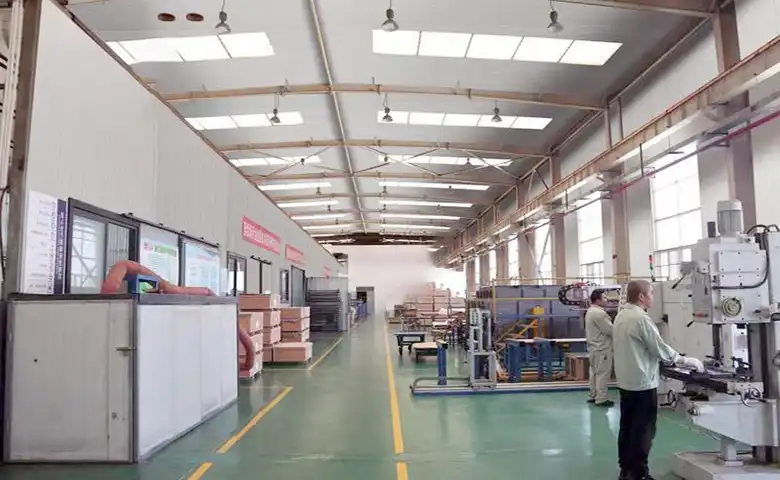
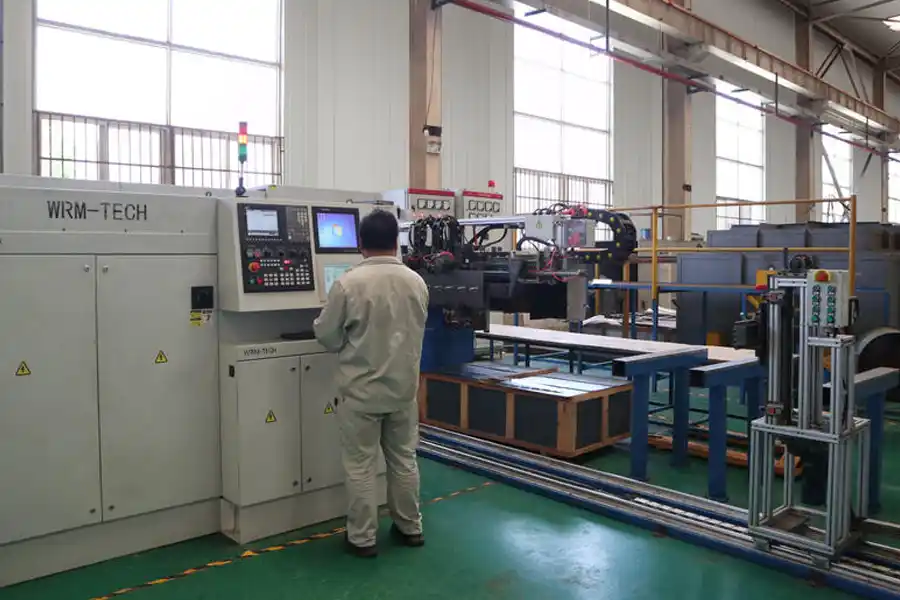
Deep technical expertise: Since our founding in 2006, we have continuously refined our coating formulations, production processes, and electrode structural designs, building a mature core technology platform and hands-on experience across many industries.
Professional R&D team: Over the past 20 years, we have built a team of seasoned R&D engineers with deep expertise spanning materials science and electrochemistry.

Precautions for the use of titanium anodes
Installation and connection
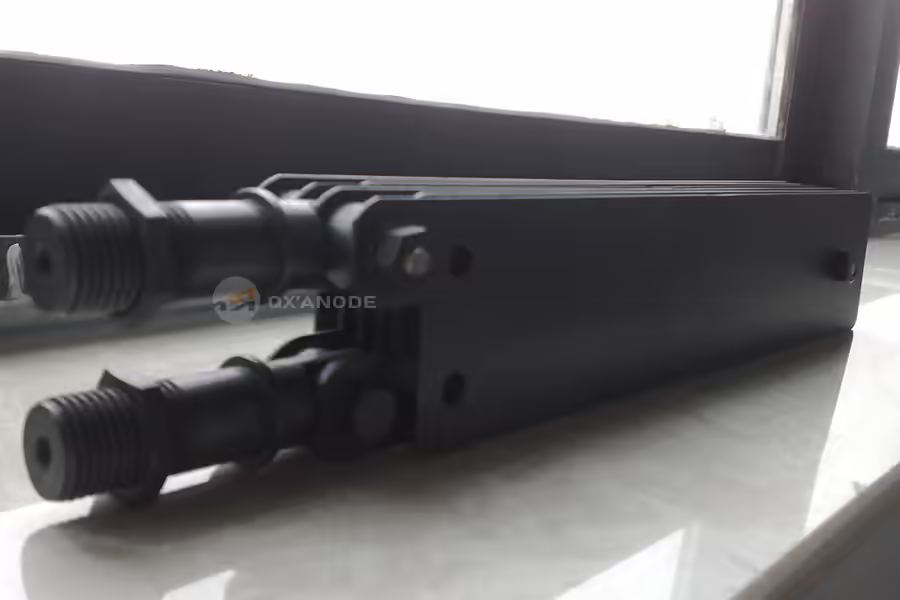
When installing, ensure a firm and reliable connection between the electrode and the power supply to avoid poor contact, which leads to increased resistance and local overheating. For example, when connecting wires, ensure sufficient contact area and use appropriate fastening screws. Avoid causing mechanical damage to the electrode surface during installation, which could affect the integrity of the coating. For instance, it is strictly prohibited to touch the coating surface with sharp tools.
Electrolyte environment
Select the appropriate electrolyte composition and concentration according to the specific electrolysis process and requirements. For example, in some cases, an excessively high acid concentration may accelerate the corrosion of the coating. Control the impurity content in the electrolyte, especially impurities harmful to the coating, such as fluoride ions. In an electrolyte containing fluoride ions, for example, even a trace amount can cause severe damage to the coating.
Working current and voltage
Operate strictly within the designed current density and voltage range to avoid overcurrent or overvoltage. Exceeding the allowable current density may cause the coating to overheat and peel off, while an excessively high voltage may increase electrolytic side reactions. During electrolysis, the current and voltage should rise and fall smoothly; sudden, significant fluctuations should be avoided when starting or stopping the equipment.
Electrolysis temperature control
Pay attention to temperature changes during the electrolysis process. Excessive temperature will affect the electrocatalytic activity and electrolysis efficiency of the coating. When working in an environment with a high electrolyte temperature, add heat exchange equipment to the electrolytic cell to ensure a normal electrolysis temperature. During electrolysis, avoid sharp temperature changes, as they create thermal stress between the precious metal coating and the titanium substrate, reducing the binding force between the coating and the substrate and shortening the anode’s service life.
Regular inspection and maintenance
Regularly inspect the coating on the titanium anode surface to check for abnormal phenomena such as coating peeling or scratching. If minor damage to the coating is found, repair or replace it in time to avoid oxidation and corrosion at the damaged areas. Regularly clean the attachments on the anode surface to prevent them from affecting the conductive performance of the electrode.
Storage of titanium anodes
When titanium anodes are not in use during shutdown, remove them from the equipment, rinse them clean, and store them in a dry, well-ventilated environment. Avoid storing them in damp places or areas with corrosive gases. During storage, protect the anodes from mechanical impact and physical scratching to avoid damage to the coating surface.
Titanium anode R&D
Continuous innovation drives everything we do. Our current R&D focuses on higher electrocatalytic activity, lower energy consumption, longer coating service life, and next-generation IrO₂–Ta₂O₅ coating systems — ensuring our titanium anodes keep pace with the evolving needs of electrochemical industries worldwide.
FAQ
What is a titanium anode (DSA anode)?
A titanium anode — also called a dimensionally stable anode (DSA) or mixed-metal-oxide (MMO) anode — is an insoluble anode made of a titanium substrate coated with precious-metal oxides such as RuO₂, IrO₂, Ta₂O₅, PbO₂, or SnO₂. Developed in the 1960s, it has largely replaced graphite, lead-alloy, and platinum anodes thanks to its dimensional stability, corrosion resistance, low overpotential, and long service life.
Which coating type should I choose: Ru-Ir, Ir-Ta, platinized, or PbO₂?
It depends on the reaction at the anode. Ru-Ir coatings are chlorine-evolution anodes, ideal for sodium hypochlorite generators, seawater electrolysis, and brine chlor-alkali systems. Ir-Ta coatings are oxygen-evolution anodes for copper foil electrodeposition, acidic electroplating, and wastewater electrolysis. Platinized titanium (Pt/Ti) suits precious metal plating, cathodic protection, and precision electrolysis. Ti/PbO₂ is designed for recalcitrant organic wastewater degradation, hard chrome plating, and electrowinning in strong-acid electrolytes.
Why is titanium used as the substrate?
Titanium combines outstanding corrosion resistance, high mechanical strength, low density (4.51 g/cm³), and excellent formability. It stays stable in strong acids, alkalis, and other aggressive media, withstands the stress and vibration inside large electrolytic cells, keeps the anode assembly light, and can be fabricated into virtually any shape — mesh, tube, plate, rod, or ribbon — to fit different electrolyzers.
Can bare titanium be used directly as an anode?
No. Titanium is a valve metal: under anodic polarization its surface instantly forms a dense, passive oxide film with very high resistance, which blocks electron transfer — so bare titanium conducts poorly as an anode. (The same film makes titanium an excellent cathode/current collector.) Applying an electrocatalytic precious-metal-oxide coating overcomes this passivation and enables efficient anodic operation.
What titanium grade do you use for anode substrates?
We generally use Grade 1 (Gr1) titanium, selected for its high purity, excellent corrosion resistance, and formability. Stock forms include sheet, plate, rod, wire, tube, strip, and expanded mesh, chosen according to your drawings.
What does your manufacturing process look like?
A 10-step process: material selection → forming and machining → welding (argon-arc/resistance/arc) → roughening (sandblasting or acid etching) → annealing and flattening → oxalic-acid etching → coating-solution preparation → repeated brush-coating, drying, and sintering (18–22 cycles) → quality inspection (appearance, uniformity, porosity, accelerated life) → protective packaging.
How long do titanium anodes last compared with graphite?
In chlor-alkali service, titanium anodes typically last more than 6 years, versus roughly 8 months for graphite anodes. Exact life depends on current density, electrolyte chemistry, and temperature — contact us with your operating conditions for an estimate.
Which industries and applications are titanium anodes used in?
Chlor-alkali and chlorate production, hydrometallurgy (Cu/Ni/Zn electrowinning), electroplating (Ni, Au, Cr, Zn, Cu), electrolytic copper foil, industrial and hospital wastewater treatment, swimming pool and domestic water disinfection, cooling-water treatment, aluminum foil formation, organic synthesis, cathodic protection, hydrogen production by water electrolysis, electrolytic phosphating, and flow-battery energy storage.
What operating precautions should I follow?
(1) Make firm, low-resistance electrical connections and never scratch the coating during installation. (2) Keep current density and voltage within design limits — overcurrent causes coating overheating and peeling. (3) Ramp current and voltage up and down smoothly when starting or stopping. (4) Avoid sharp temperature swings, which create thermal stress between the coating and the substrate. (5) Control harmful impurities in the electrolyte — trace fluoride ions can severely attack the coating.
How should titanium anodes be stored during shutdowns?
Remove the anodes from the electrolyzer, rinse them clean, and store them in a dry, well-ventilated place away from corrosive gases. Protect the coated surfaces from mechanical impact and scratching during handling and storage.
How often do anodes need inspection and maintenance?
Inspect the coating regularly for peeling, scratches, or other damage, and repair or replace the anode promptly if defects are found — exposed substrate will oxidize and corrode. Clean deposits off the anode surface periodically so they do not impair conductivity.
Do you offer custom titanium anodes?
Yes. Since 2006, we have designed and manufactured custom-coated titanium anodes — coating formulation, precious-metal loading, substrate geometry, and size can all be tailored to your electrolyzer and process. Send us your drawings or operating conditions for a technical proposal.
Need a custom anode for your process?
Send us your drawing or specs — we’ll quote within 12 hours.