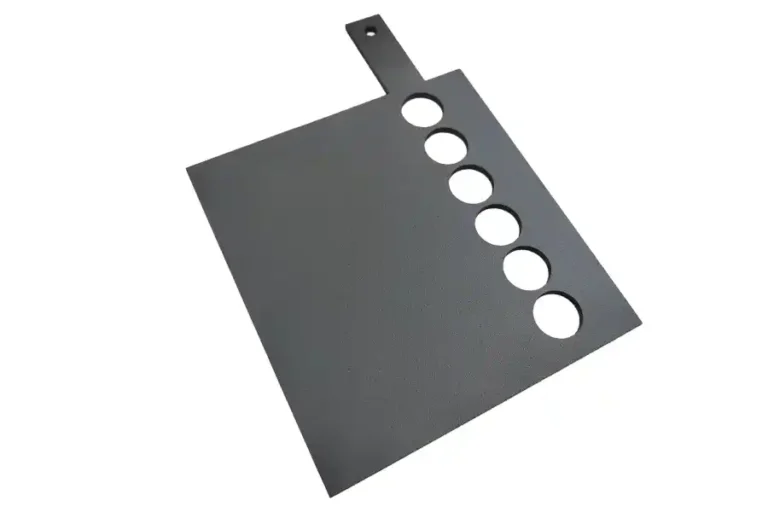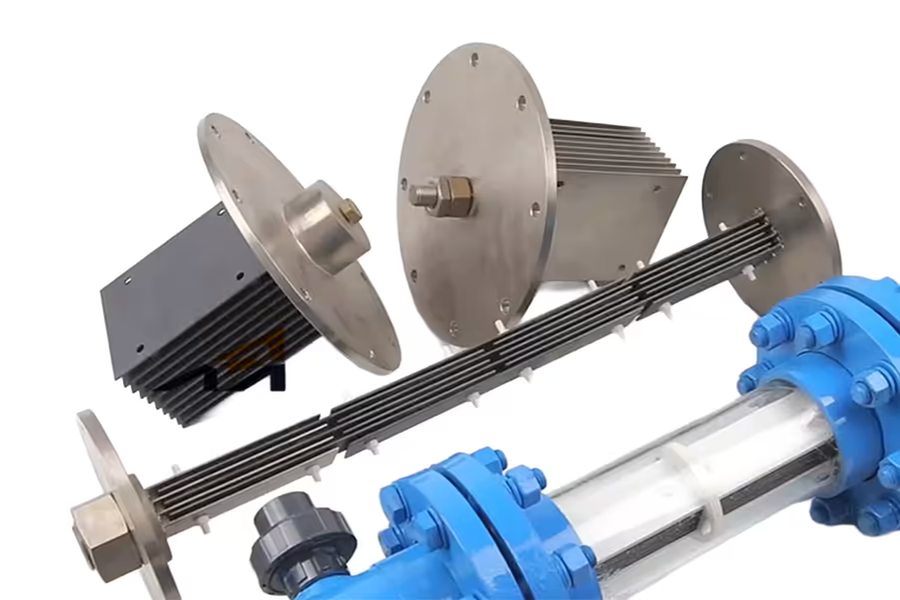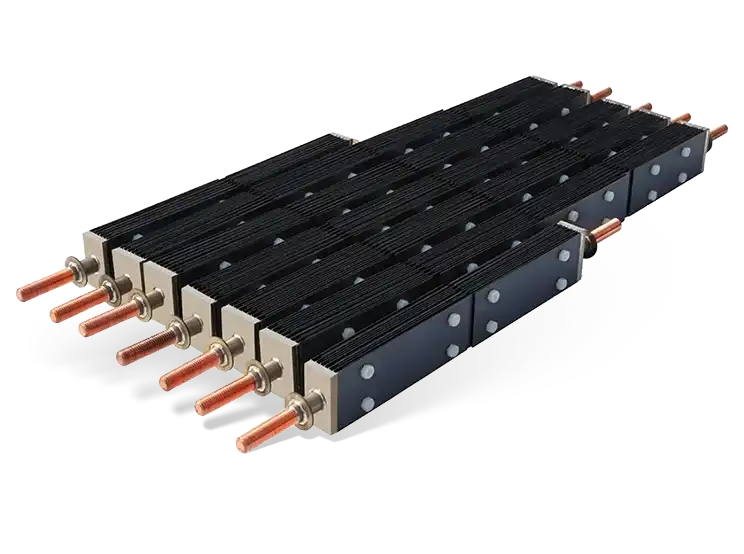
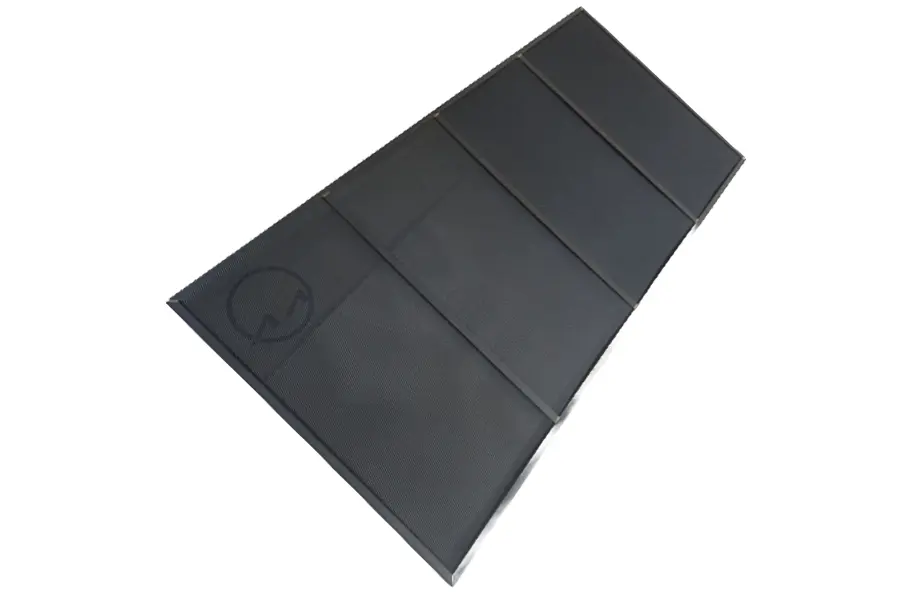
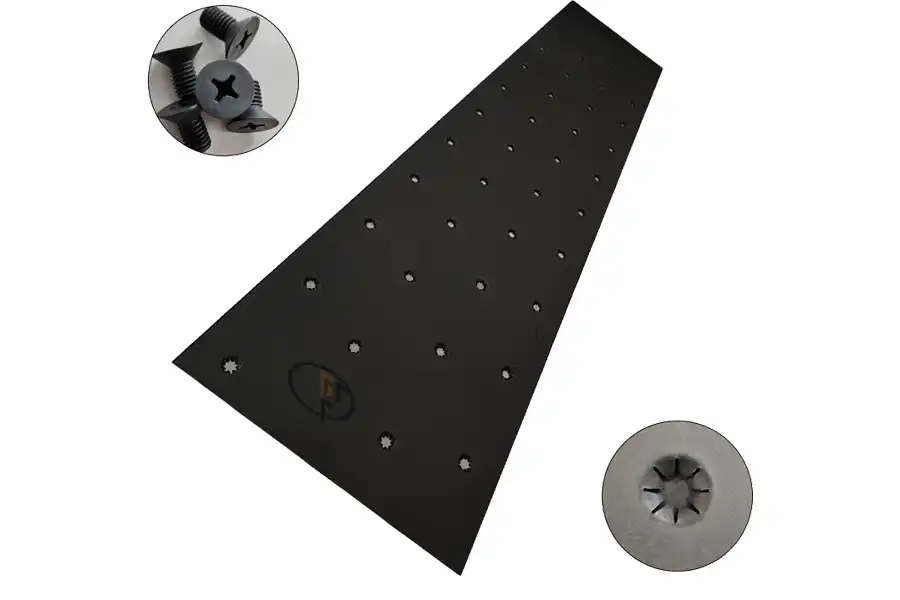
A coated titanium anodes is an industrial electrode made of two parts: a titanium substrate and a thin electrocatalytic coating bonded to its surface. The coating does the electrochemical work. The titanium sets the shape, carries the current, and resists corrosion in electrolytes that destroy lead, graphite, and steel anodes. Qixin Titanium builds coated anodes to order for electroplating, water treatment, metal finishing, and chlor-alkali service, and quotes from a drawing within 12 hours.
Key facts at a glance
- Coating families: platinum (Pt), iridium-tantalum oxide (IrO₂-Ta₂O₅), and ruthenium-iridium oxide (RuO₂-IrO₂-TiO₂)
- Substrate: Grade 1 or Grade 2 titanium per ASTM B265
- Shapes: plate, mesh, tube, rod, and custom geometry
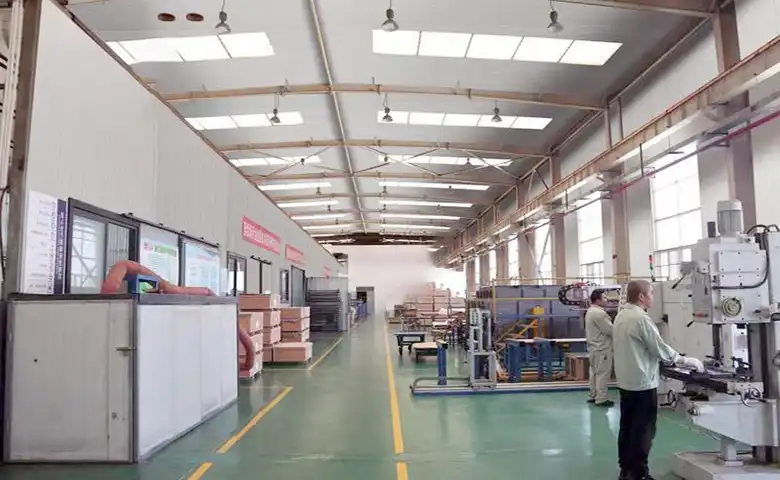
- Manufacturer: ISO 9001 certified, based in Baoji, China, 20+ years in business, exports to 25+ countries
What Are Coated Titanium Anodes?
A coated titanium anode, also called a DSA (dimensionally stable anode) or an MMO (mixed metal oxide) anode, is an electrode whose working surface is a thin electrocatalytic layer applied over a titanium substrate. Platinum, iridium-tantalum oxide, and ruthenium-iridium oxide are the three coatings most used in industry. The division of labor is what makes the design work: bare titanium passivates and stops carrying current in most electrolytes, while the right coating stays active for years in acid, chloride, and caustic baths. The titanium provides the structure. The coating provides the chemistry. Each layer, from substrate selection to coating firing and testing, is examined in depth in our titanium anode guide.
Coating families at a glance
| Coating | Chemistry | Typical duty | Product page |
|---|---|---|---|
| Platinum | Pt layer on titanium | Precious metal plating (gold, rhodium), cathodic protection | Platinum plated titanium anode |
| Iridium-tantalum | IrO₂-Ta₂O₅ | Oxygen evolution in acid baths: copper foil production, electrowinning, organic oxidation | Iridium-tantalum coated titanium anode |
| Ruthenium-iridium | RuO₂-IrO₂-TiO₂ | Chlorine evolution: brine electrolysis, hypochlorite generation, chlor-alkali | Ruthenium-iridium coated titanium anode |
Advantages of Coated Titanium Anodes
Advantages of Coated Titanium Anodes
Four properties drive the switch from consumable anodes to coated titanium:
- Corrosion resistance in aggressive electrolytes. Titanium forms a stable passive film, so the substrate stays intact in acids, chlorides, and caustics. The coating shields the active interface. A coating matched to the bath keeps the anode in service for years where a soluble anode would need replenishment every few months.
- Lower energy consumption. The coating lowers the overpotential of the intended reaction, oxygen or chlorine evolution. Less overpotential means lower cell voltage at the same current. In a plant pulling tens of thousands of amps around the clock, that shows up directly on the power bill.
- Dimensional stability. Insoluble coatings are not consumed into the bath, so the anode holds its geometry for its whole service life. Current distribution stays even and product quality stays consistent. This property gives the design its industry name: dimensionally stable anode.
- One construction, many duties. Electroplating, electrowinning, water treatment, and chlor-alkali electrolysis all run on the same substrate plus coating approach. Moving a cell to a different duty usually means changing the coating recipe, not the anode design.
Applications of Coated Titanium Anodes
- Electroplating. Coated titanium anodes work as insoluble anodes for copper, nickel, and gold plating. Because nothing dissolves off the anode into the bath, plating chemistry stays stable over long runs and anode maintenance drops to periodic inspection.
- Water treatment. Electrocoagulation, electro-flotation, and direct anodic oxidation all use coated titanium anodes to generate oxidants in the cell that destroy pathogens and cut chemical oxygen demand (COD). For on-site hypochlorite generation from brine or seawater, ruthenium based coatings are the standard choice.
- Metal finishing. Anodizing and electropolishing lines run coated titanium anodes as inert counterelectrodes. They hold dimensional tolerance, shed no debris onto the workpiece, and stand up to the acid electrolytes these processes use.
- Chlorine production. Coated titanium anodes displaced graphite in chlor-alkali cells decades ago and remain the standard for chlorine and caustic soda production from brine, combining high current efficiency with stable operation at high current density.
Need a custom anode for your process?
Send a drawing, or just the working conditions: electrolyte, current density, temperature, and target reaction. We will recommend a coating and return a quote within 12 hours.