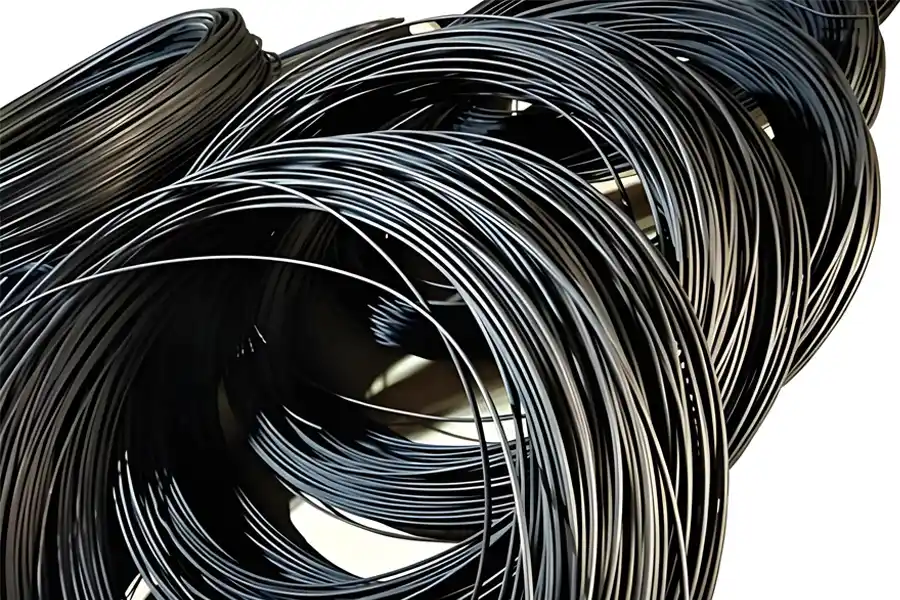
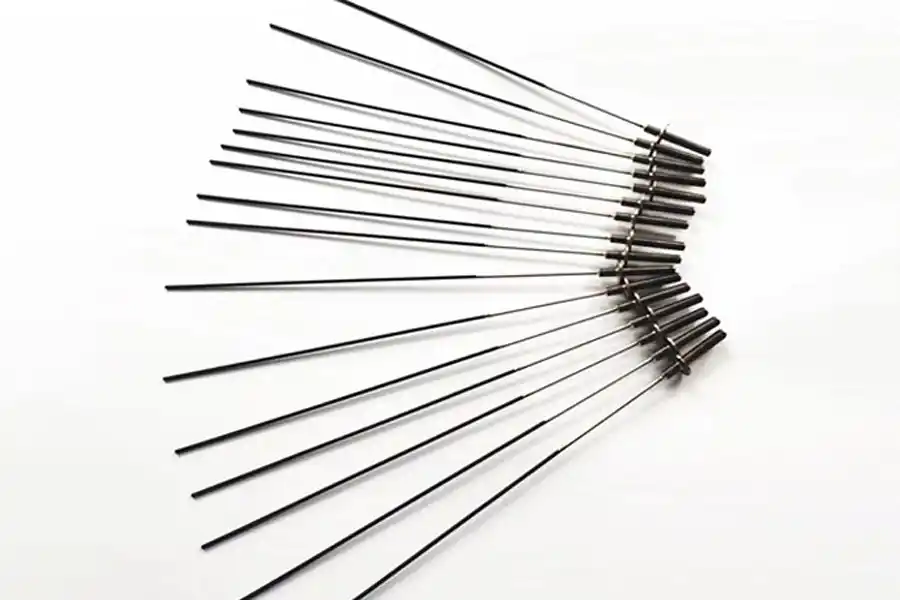
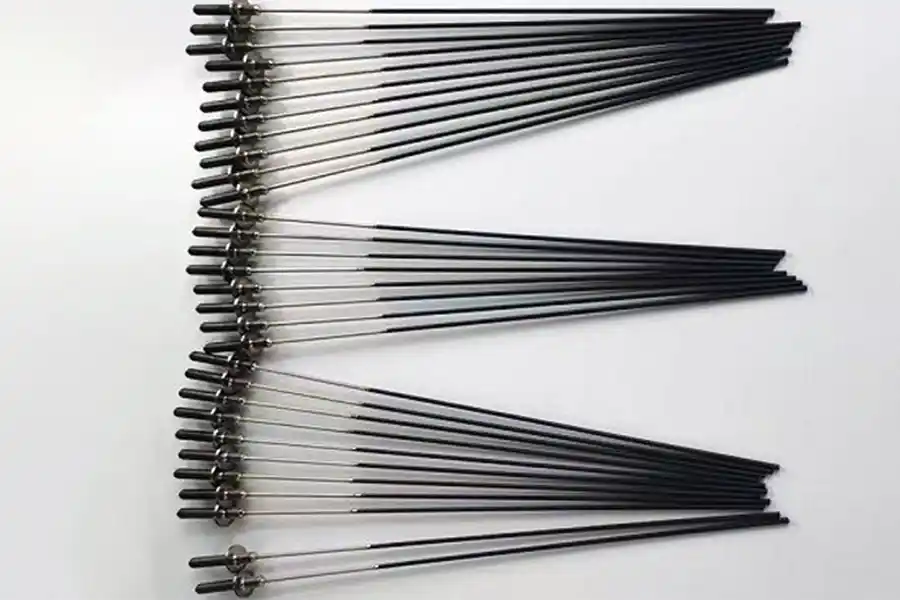
MMO coated titanium wire anodes
An MMO titanium wire anode is an insoluble electrode made from a Grade 2 titanium wire (ASTM B863) coated with a mixed metal oxide (MMO) catalytic layer. The wire form is specified where the anode must bend, weave, or reach into a confined space: deep well anode strings, woven mesh anodes, flexible anode loops, and small cells where a plate or tube will not fit. Coatings are ruthenium iridium oxide (RuO₂-IrO₂) for chlorine evolution and iridium tantalum oxide (IrO₂-Ta₂O₅) for oxygen evolution, applied by thermal decomposition over the full wire surface.
Key specs at a glance
- Substrate: Grade 2 titanium wire per ASTM B863
- Coating: RuO₂-IrO₂ (chlorine) or IrO₂-Ta₂O₅ (oxygen), 5 to 20 microns
- Diameter: 1.0 to 3.0 mm standard, 0.5 to 6.0 mm on request
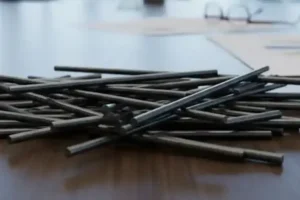
- Supply form: coils (50 to 100 m per spool) or straight lengths
- Continuous current density: 100 to 1,000 A/m² depending on duty
- Service life: 2 to 5 years at rated electrolysis conditions; 10+ years in low current cathodic protection
What Is an MMO Titanium Wire Anode?
An MMO titanium wire anode is a dimensionally stable anode (DSA) in wire form. A drawn titanium wire is the conductive core, and a thin mixed metal oxide (MMO) catalytic layer covers the full outer surface. The wire is drawn from Grade 2 commercially pure titanium, which combines good formability with the corrosion resistance the anode needs in soil, seawater, and electrolytes.
Wire anodes fill a specific niche: they are flexible enough to be bent into anode loops, woven into mesh screens, or strung down a deep well. Because the coating covers the entire circumference, a wire anode presents its full surface to the electrolyte from every direction, which matters in soil backfill and in cells with complex geometry. The trade-off is a smaller cross section than a rod, so the working current per length is lower.
Coating Systems and Selection
Coating selection follows one rule: match the coating to the reaction the anode must drive.
- RuO₂-IrO₂ (ruthenium iridium oxide): the standard coating for chlorine evolution in chloride-rich environments. This is the most common choice for wire anodes because deep well cathodic protection, seawater electrochlorination, and many plating baths are chloride based. The coating generates active chlorine at low overpotential and stays dimensionally stable.
- IrO₂-Ta₂O₅ (iridium tantalum oxide), typical molar ratio about 70:30: the standard coating for oxygen evolution in acidic sulfate media. Use it where the wire anode runs in sulfuric or mixed acid duty, such as certain electrowinning and organic oxidation applications. Ruthenium based coatings are not suitable for sustained oxygen evolution in strong acid.
The wire is degreased and etched before coating. The MMO layer is applied in multiple thermal decomposition cycles to a thickness of 5 to 20 microns with a precious metal loading of 5 to 50 g/m², set against your current density and target life. Coated wire can be supplied bare or pre-formed, such as straight lengths, coils, or woven panels.
Technical Specifications
| Parameter | Value |
|---|---|
| Product Name | MMO Titanium Wire Anode (Mixed Metal Oxide Coated) |
| Substrate Material | Titanium Grade 2 wire, ASTM B863 |
| Coating Material | RuO₂-IrO₂ (chlorine evolution) or IrO₂-Ta₂O₅ (oxygen evolution) |
| Coating Thickness | 5 to 20 microns |
| Precious Metal Loading | 5 to 50 g/m², set by current density and target life |
| Continuous Current Density | 100 to 1,000 A/m² depending on duty and coating |
| Operating Temperature | Max 60 °C continuous |
| Wire Diameter | 1.0 / 1.5 / 2.0 / 3.0 mm standard, 0.5 to 6.0 mm on request |
| Supply Form | Coils of 50 to 100 m, or straight lengths to drawing |
| Pre-formed Options | Woven mesh panels, anode loops, deep well strings |
| Connection Method | Crimp / weld to titanium conductor bar, or in-line splice |
| Certifications | ISO 9001:2015, CE |
| Lead Time | 10 to 15 business days (standard); 20 to 30 days (custom) |
| Packaging | Wooden spool / coil with foam protection |
| Service Life | 2 to 5 years at rated electrolysis conditions; 10+ years in low current cathodic protection |
Applications
- Deep well and remote cathodic protection: wire anodes are strung down deep well anode beds and laid in remote groundbeds for pipelines and storage tanks. The flexibility lets the string follow the well without kinking, and the full circumference coating feeds current evenly into the backfill.
- Woven mesh anodes: coated wire is woven into mesh panels for cathodic protection of concrete structures and for electrolysis cells where a woven structure suits the flow field. Woven mesh flexes where expanded mesh cannot.
- Electroplating and small cells: wire anodes serve as auxiliary anodes in plating racks, basket anodes for precious metal plating, and electrodes in small laboratory or pilot cells where dimensional flexibility matters.
- Electrochemical synthesis: wire electrodes in tubular or packed bed reactors for oxidant generation and organic electrosynthesis, where the wire doubles as both electrode and structural element.
How to Specify a Wire Anode
Send us these five items and we will confirm the design within 48 hours:
- Application and environment. Deep well CP, woven mesh, plating, or synthesis, plus the electrolyte or backfill chemistry. This decides the coating system.
- Current and length. The design current per meter of wire and the total length you need, which together set the diameter and loading.
- Diameter and form. Wire diameter, and whether you need coils, straight lengths, or pre-formed panels and loops.
- Connection method. How the wire will be terminated and connected to the conductor, such as crimp, weld, or splice.
- Target service life. We set the precious metal loading against this number, since loading is the main cost driver.
Frequently Asked Questions
What is an MMO titanium wire anode used for?
Wire anodes are used where the anode must bend, weave, or reach into a confined space. The main applications are deep well and remote cathodic protection groundbeds, woven mesh anodes for concrete protection, auxiliary and basket anodes in plating, and electrodes in small or tubular electrolysis cells.
How long does an MMO titanium wire anode last?
In electrolysis duty at rated conditions, expect 2 to 5 years. In cathodic protection at low current density, the anode typically lasts a decade or more, because coating consumption is measured in milligrams per year. Actual life is set by current density, environment, temperature, and coating loading.
What wire diameters are available?
Standard diameters are 1.0, 1.5, 2.0, and 3.0 mm, and we produce 0.5 to 6.0 mm on request. The diameter is chosen against the working current per meter and the mechanical requirements of the installation, such as bending radius in a deep well or weave pattern in a mesh panel.
Can coated titanium wire be formed after coating?
Forming after coating risks cracking the MMO layer, so we recommend forming first. The wire is bent, woven, or strung into its final shape, and the coating is then applied over the finished geometry. If you need to adjust a shape in the field, keep the bend radius generous and avoid sharp kinks at the coated surface.
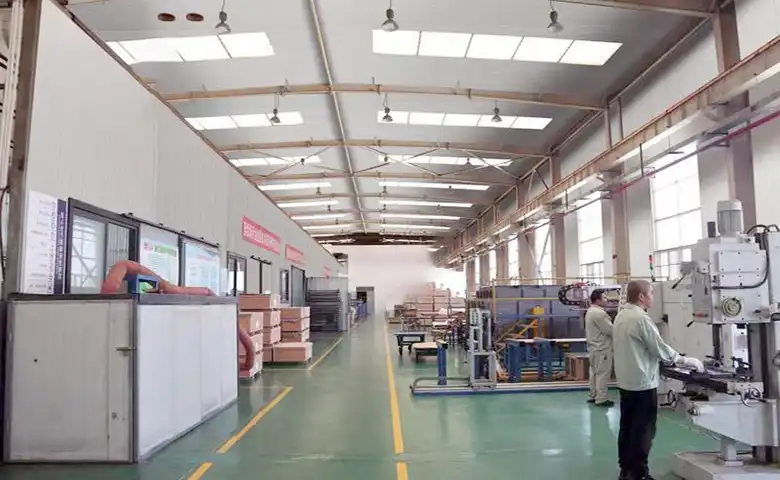
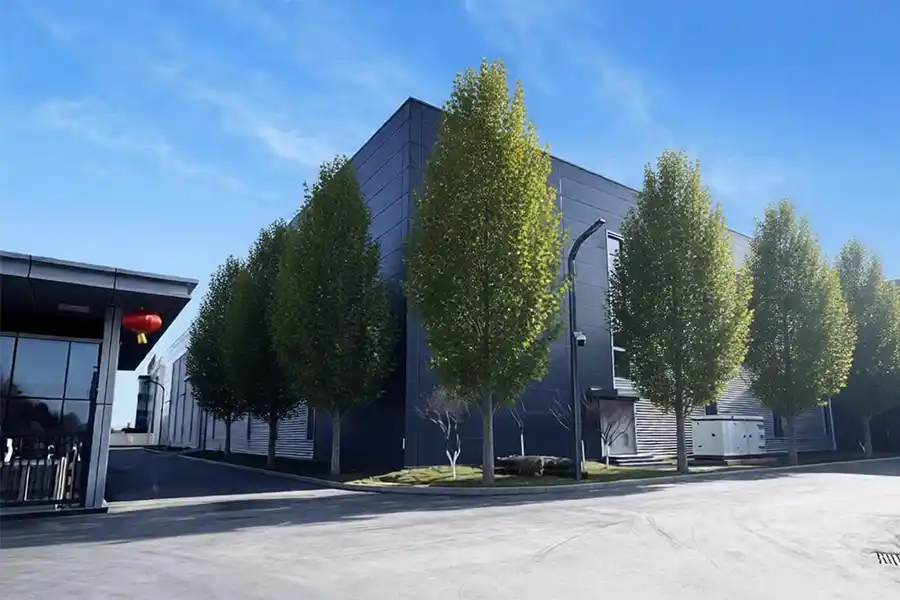
Qixin Titanium Industry factory real scene
Your ordered products will dispatch from Qixin Factory, Baoji, China.
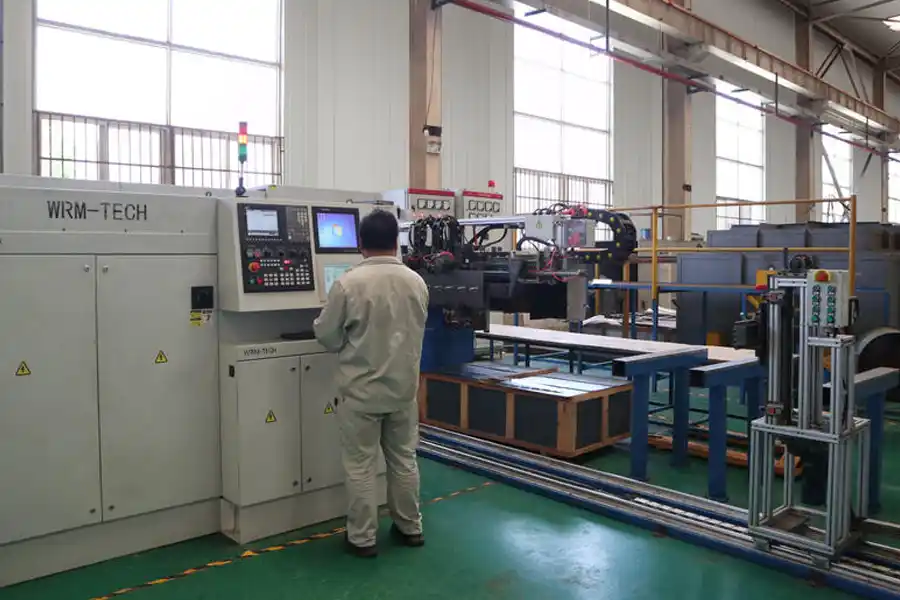
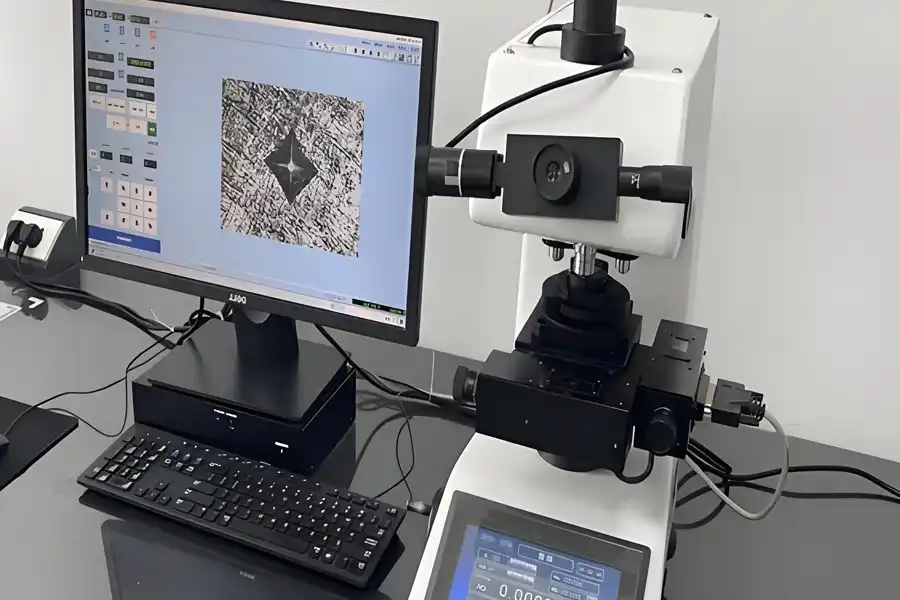
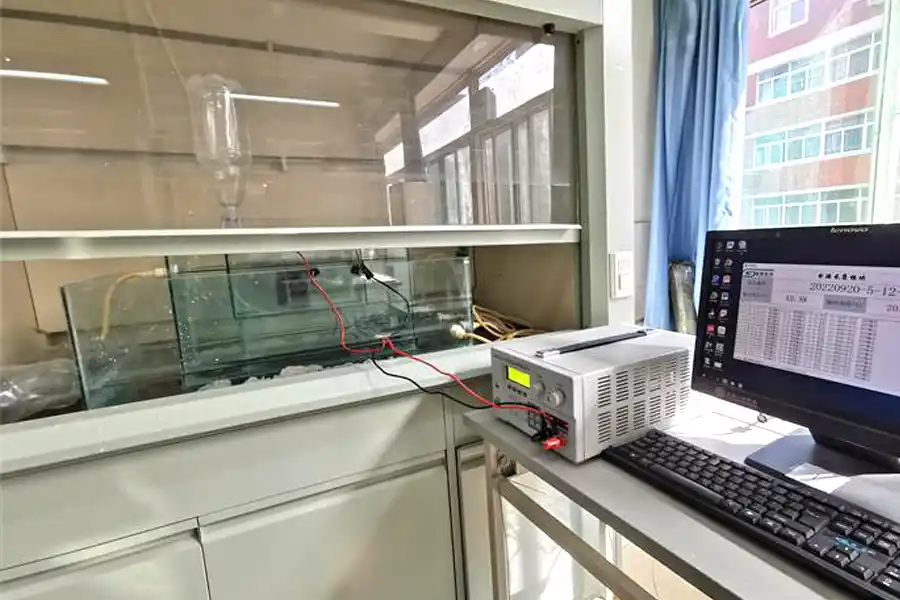
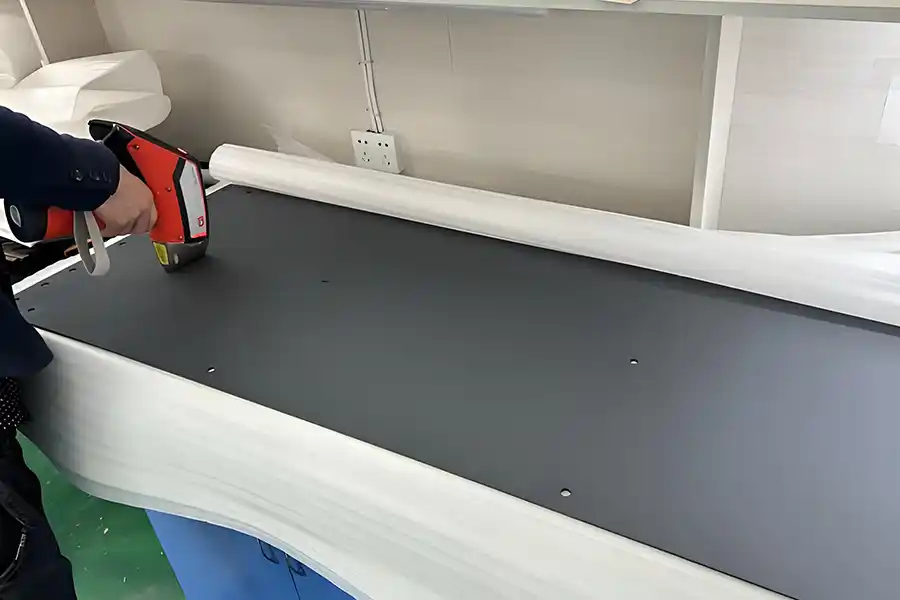
Manufacturing and testing equipment
Need coated wire in coils, lengths, or a woven panel?
Send us your application, current per meter, diameter, and supply form. We confirm the coating spec and quotation within 48 hours.