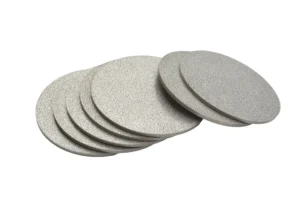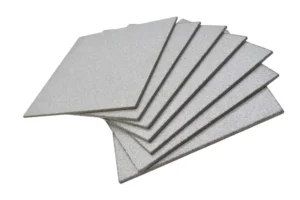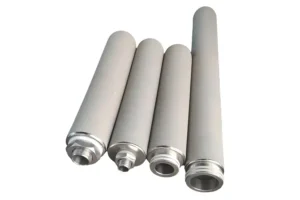
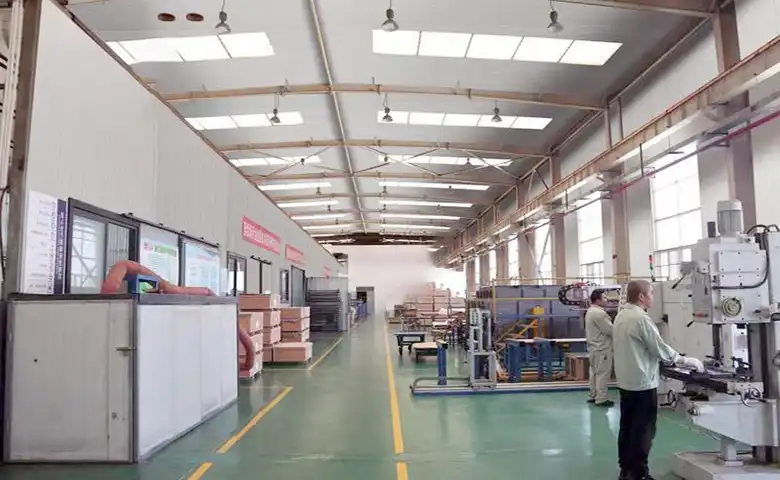
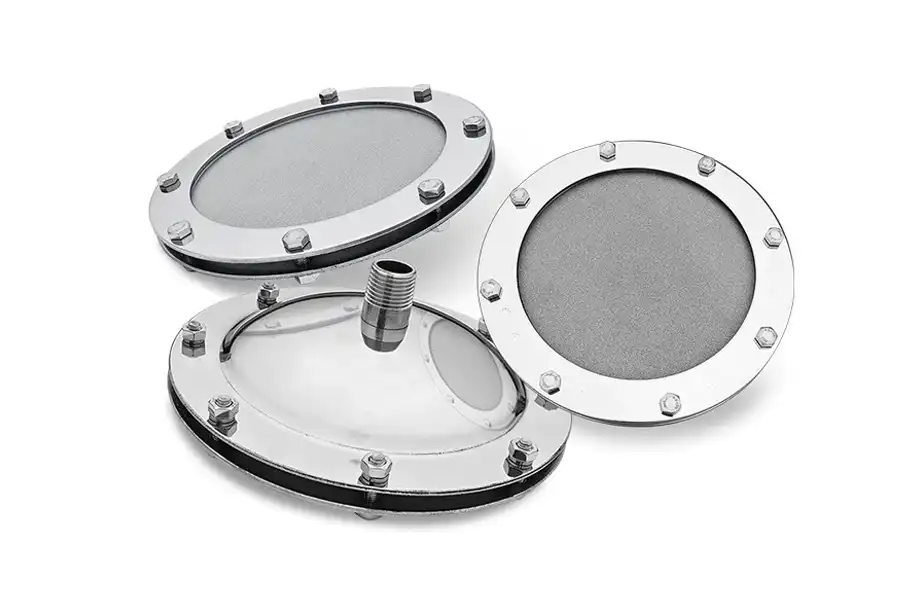
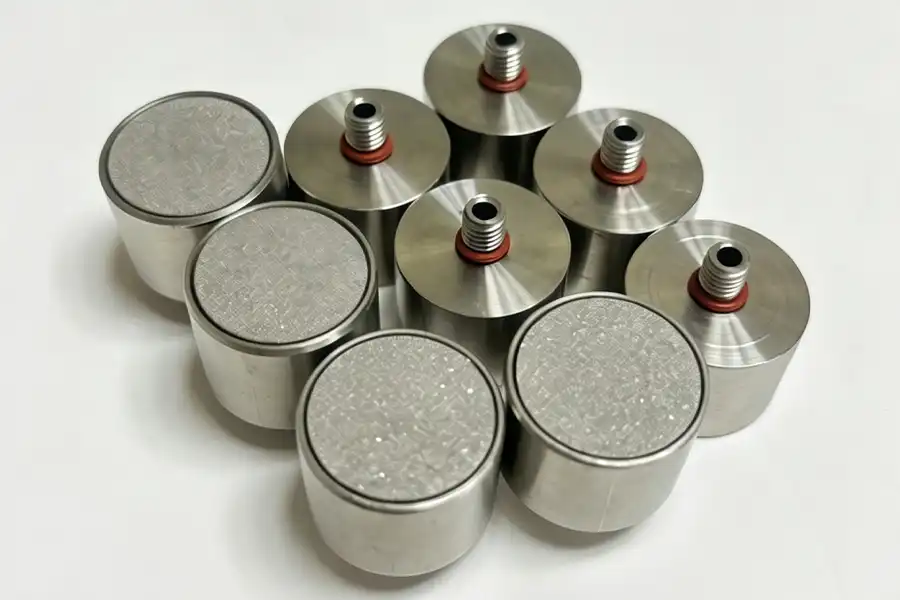
Our titanium powder sintered aeration diffusers deliver fine, uniform bubbles through a rigid, corrosion-proof porous titanium body — engineered for the toughest aeration jobs where polymer membranes and ceramics fail. Manufactured from high-purity Grade 1 titanium powder (≥99.68%) via cold isostatic pressing and high-temperature vacuum sintering, each diffuser forms a monolithic three-dimensional pore network that produces consistent microbubbles year after year, even in acidic, saline, or ozone-laden environments.
At a glance:Uniform micropore structure · Bubble diameter 0.5–2 mm · Oxygen transfer efficiency above 30% · Withstands acids, alkalis, seawater, and ozone ·
Key Features and Benefits
Uniform Micropore Structure for Consistent Fine Bubbles
The sintering process fuses titanium particles at their contact points without melting the bulk material, creating an interconnected pore network with a narrow size distribution. Compressed gas exiting these pores shears into bubbles of 0.5–2 mm diameter — far smaller and more uniform than those from coarse-bubble tube diffusers or perforated pipe. Smaller bubbles mean larger specific surface area and longer residence time in the liquid column, both of which directly improve oxygen mass transfer.
Oxygen Transfer Efficiency Above 30%
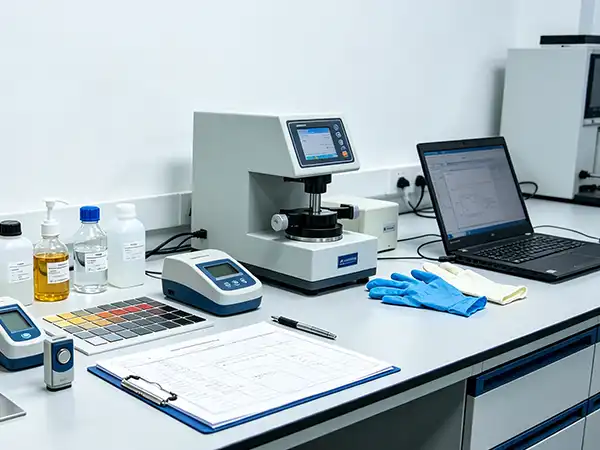
In clean-water testing at standard conditions, our 10–20 μm titanium diffusers consistently achieve standard oxygen transfer efficiency (SOTE) above 30%. In activated-sludge tanks, this translates to lower blower power consumption per kilogram of dissolved oxygen delivered, reducing both energy bills and carbon footprint. For ozone contact applications, the fine-bubble regime maximizes ozone dissolution and minimizes off-gas loss.
Corrosion Resistance That Polymer Membranes Cannot Match
Grade 1 titanium forms a tenacious, self-healing titanium dioxide (TiO₂) passive film in oxidizing environments. This gives the diffuser outstanding resistance to chloride pitting, crevice corrosion, acid attack, and alkaline solutions — including seawater, produced water, textile dyeing effluent, pulp and paper wastewater, and landfill leachate. Unlike EPDM, silicone, or polyurethane membranes, titanium does not swell, harden, crack, or degrade when exposed to ozone, solvents, hydrocarbons, or continuous high temperatures.
Rugged Mechanical Strength and Thermal Stability
The sintered titanium body is a single solid piece with no moving parts, no glued joints, and no flexible membrane to tear. It withstands installation handling, accidental impacts, and differential thermal expansion without damage. Operating temperature range is −20 °C to 280 °C, making the diffuser suitable for hot industrial wastewater, steam-sterilized fermentation vessels, and deep-tank high-pressure installations.
Cleanable and Reusable — Low Lifetime Cost
When biological slime or mineral scale accumulates, the diffuser can be backwashed in place by reversing airflow, or removed and soaked in dilute acid (citric, hydrochloric, or oxalic) to restore full permeability. The rigid pore structure does not collapse or deform during cleaning, so performance returns to near-new levels after each cycle. With a typical service life beyond 10 years and no membrane replacement costs, the total cost of ownership is significantly lower than disposable polymer diffuser systems.
How It Works
- Compressed gas enters the diffuser through the threaded connector (standard 1/2″ NPT) and fills the plenum chamber behind the porous titanium face.
- Gas migrates through the three-dimensionally interconnected micropore network. The narrow pore-size distribution ensures every pore releases gas at nearly the same pressure, preventing channeling or localized coarse bubbling.
- Microbubbles form at the pore-liquid interface. Surface tension and pore geometry control bubble size, producing a dense plume of 0.5–2 mm bubbles across the entire active surface.
- Bubbles rise slowly through the liquid, transferring oxygen or ozone into solution. The large cumulative surface area and long contact time drive high mass-transfer efficiency.
Technical Specifications
| Parameter | Specification |
|---|---|
| Material (porous body) | GR1 (TA1) Industrial Pure Titanium Powder, ≥99.6% purity |
| Flange / base material | 316L stainless steel (optional titanium) |
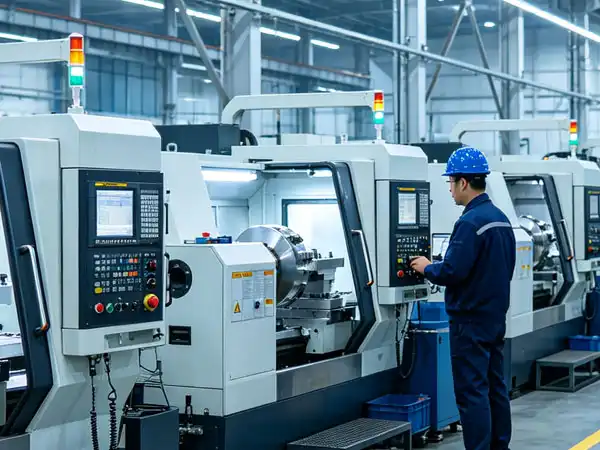
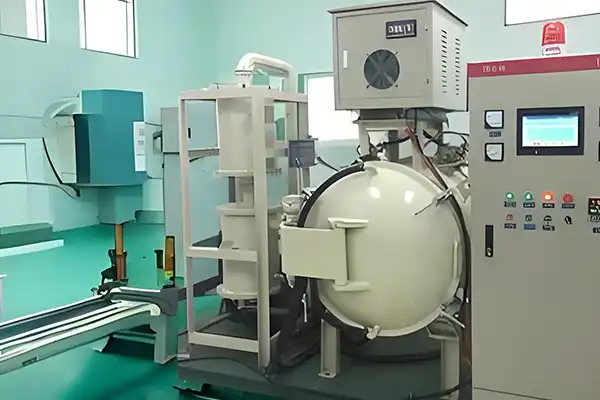
| Manufacturing process | Cold isostatic pressing + high-temperature vacuum sintering |
| Nominal pore size | 0.22 – 100 μm (customizable; standard stock: 2, 5, 10, 20, 40 μm) |
| Porosity | 30% – 50% |
| Bubble diameter (in water) | 0.5 – 2 mm |
| Standard oxygen transfer efficiency (SOTE) | ≥ 30% (clean water, 20 °C, 1 atm) |
| Operating temperature | −20 °C to 280 °C |
| Maximum operating pressure | 0.6 MPa (6 bar) — higher on request |
| Standard disc diameters | Ø100, Ø125, Ø150, Ø180, Ø200, Ø250, Ø300 mm |
| Standard connector | 1/2″ NPT (BSP, flange, or custom available) |
| Configurations | Flat disc, mushroom/dome, spherical, cylindrical cartridge |
| Service life | 10+ years under normal operating conditions |
Applications
Municipal and Industrial Wastewater Treatment
Used in activated-sludge aeration tanks, sequencing batch reactors (SBR), membrane bioreactors (MBR), and oxidation ditches. The corrosion-resistant titanium body handles mixed liquor with high chloride, sulfide, or organic solvent content that would degrade EPDM membranes within months.
Ozone Contact Oxidation and Advanced Oxidation Processes (AOP)
Titanium is one of the very few materials fully compatible with high-concentration ozone gas and ozonated water. Our 2–5 μm diffusers are the standard choice for ozone contact chambers in drinking water treatment, bottled water, pharmaceutical water-for-injection loops, and industrial wastewater polishing.
Aquaculture and Recirculating Aquaculture Systems (RAS)
Fine-bubble oxygenation in fish and shrimp hatcheries, grow-out tanks, and live-shipment systems. The all-metal construction eliminates risk of membrane fragments entering the culture water, and the seawater compatibility ensures long service life in marine systems.
Fermentation and Bioprocessing Gas Distribution
Used as spargers in bioreactors and fermenters for sterile air distribution, CO₂ stripping, and oxygen supply. The sintered titanium element is autoclavable and cleanable, with no particle shedding into the broth. Volumetric oxygen mass transfer coefficients (kLa) above 0.2 s⁻¹ have been reported in airlift reactor configurations.
Other Uses
- Drinking water dissolved-air flotation (DAF) bubble generation
- Chemical reactor gas-liquid contacting (hydrogenation, chlorination)
- Gold mine cyanide leach tank aeration
- Landfill leachate treatment
- Produced water and oilfield wastewater treatment
- Electroplating and metal-finishing wastewater aeration
How to Select the Right Model
| Application | Recommended Pore Size | Typical Configuration | Notes |
|---|---|---|---|
| Activated sludge aeration | 10 – 20 μm | Flat disc or mushroom | Best balance of SOTE and pressure drop |
| Ozone contact / AOP | 2 – 5 μm | Flat disc or spherical | Maximize ozone dissolution; use titanium only |
| Aquaculture oxygenation | 10 – 20 μm | Mushroom or spherical | Seawater compatible; no membrane shedding |
| Fermentation sparger | 5 – 15 μm | Cylindrical cartridge | Autoclavable; high kLa performance |
| Coarse mixing / pre-aeration | 40 – 100 μm | Flat disc | Lower blower energy; larger bubbles |
| High-temperature wastewater | 10 – 20 μm | All-titanium construction | Continuous service to 280 °C |
If your application does not fit the categories above, contact our engineering team with your tank dimensions, target dissolved oxygen, gas flow rate, water chemistry, and operating temperature. We will recommend a specific pore size, configuration, and diffuser count, and can provide a preliminary oxygen-transfer calculation.
Installation and Maintenance
Installation
- Mount diffusers on a stainless steel or PVC air header at the tank floor, spaced 0.5–1.0 m apart depending on tank depth and mixing requirements.
- Use PTFE tape or liquid thread sealant on the 1/2″ NPT connection. Do not over-tighten — hand-tight plus one quarter turn with a wrench is sufficient.
- Ensure the diffuser face is level to promote uniform bubble release across the entire surface.
- For new installations, flush the air header before installing diffusers to remove welding slag, pipe shavings, and debris that could clog pores.
Operation
- Maintain a minimum airflow of 0.5 Nm³/h per diffuser to prevent liquid backflow into the pore structure during operation.
- For intermittent aeration systems, install a check valve at each diffuser or a main check valve on the air header to prevent siphoning when the blower stops.
- Monitor differential pressure across the diffuser. A gradual increase over months indicates fouling; a sudden increase indicates mechanical blockage or header failure.
Cleaning
- Air backwash: Reverse airflow through the diffuser for 5–10 minutes at 1.5× normal operating pressure. This dislodges loose biological slime from the pore surface.
- Acid cleaning: For mineral scale (calcium carbonate, iron hydroxide, struvite), remove diffusers and soak in 5–10% citric acid or 2–5% hydrochloric acid for 30–60 minutes. Agitate periodically. Rinse thoroughly with clean water before reinstalling.
- Do not use hydrofluoric acid, abrasive brushing, or ultrasonic cleaning — these can damage the pore structure.
Frequently Asked Questions
What is a titanium powder sintered aeration diffuser?
A titanium powder sintered aeration diffuser is a gas-liquid contact device made from high-purity titanium powder that is compacted and sintered under high temperature in a vacuum furnace. The resulting monolithic porous structure contains millions of interconnected micropores that break compressed air or process gas into fine, uniform bubbles when submerged. It is used for oxygen transfer in wastewater treatment, ozone dissolution, aquaculture aeration, and fermentation gas distribution.
How does a sintered titanium diffuser compare to EPDM membrane or ceramic diffusers?
Unlike EPDM or silicone membrane diffusers, sintered titanium diffusers do not age, swell, tear, or degrade when exposed to ozone, hydrocarbons, solvents, or high-salinity water. They also outperform ceramic diffusers in mechanical strength and thermal shock resistance. Titanium diffusers operate continuously at temperatures up to 280 °C, can be backwashed or chemically cleaned without damage, and typically deliver a service life exceeding 10 years.
What pore size should I choose for my application?
Pore size directly controls bubble diameter and pressure drop. For conventional activated-sludge wastewater aeration, 10–20 μm is the most common range, balancing fine bubble size with acceptable head loss. For ozone contact or high-purity dissolved oxygen applications, 2–5 μm produces smaller bubbles and higher mass transfer at the cost of slightly higher pressure. For coarse pre-aeration or mixing, 40–100 μm reduces blower energy. Provide your target DO, tank depth, and blower pressure and our engineers will recommend the optimal rating.
Can titanium aeration diffusers be used in seawater or brine?
Yes. Grade 1 titanium forms a self-healing passive oxide film (TiO₂) that provides exceptional resistance to chloride-induced pitting and crevice corrosion, making it suitable for seawater, produced water, high-salinity industrial effluent, and brine. For extreme reducing-acid environments, we can supply Grade 2 titanium or palladium-stabilized grades on request.
How do I clean and maintain a sintered titanium aerator?
Routine maintenance is minimal. For biological fouling, perform an in-place backwash by reversing airflow for 5–10 minutes. For mineral scaling (calcium, iron), soak or circulate a 5–10% citric acid or dilute hydrochloric acid solution for 30–60 minutes, then rinse with clean water. Titanium is compatible with most cleaning acids except hydrofluoric acid. The rigid sintered structure withstands repeated cleaning cycles without loss of pore geometry or bubble performance.
What configurations and customizations are available?
Standard configurations include flat disc (Ø100–300 mm), mushroom/dome head, spherical, and cylindrical cartridge styles. Flanges and bases are typically 316L stainless steel with NPT, BSP, or flange connections. Custom options include pore size (0.22–100 μm), diameter, thickness, connection thread, mounting hardware, and multi-disc assemblies.
What is the typical lead time and minimum order quantity?
Standard models (Ø180 mm flat disc, 10 μm, 1/2″ NPT) are kept in stock and can ship within 3–5 working days. Custom pore sizes, diameters, or configurations typically require 15–25 working days depending on quantity. There is no rigid minimum order for stock items; for custom manufacturing, MOQ starts at 10 pieces. We ship worldwide via DHL, FedEx, or sea freight for bulk orders.
Request a Quote or Technical Consultation
Tell us about your application — tank size, water chemistry, target DO, gas flow — and our engineers will recommend the right diffuser configuration and provide a detailed quotation within 24 hours.