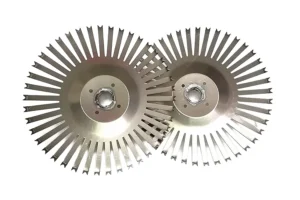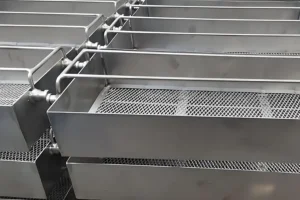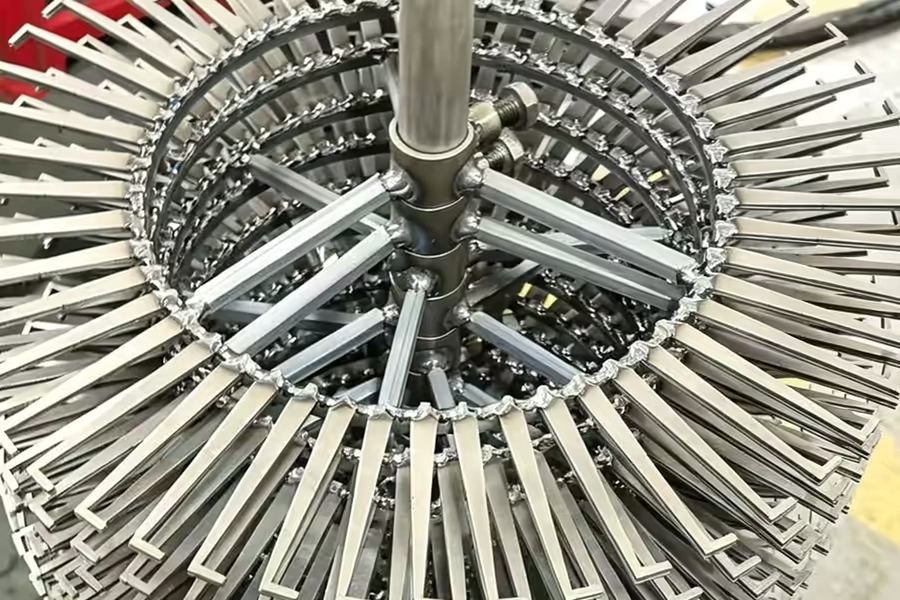
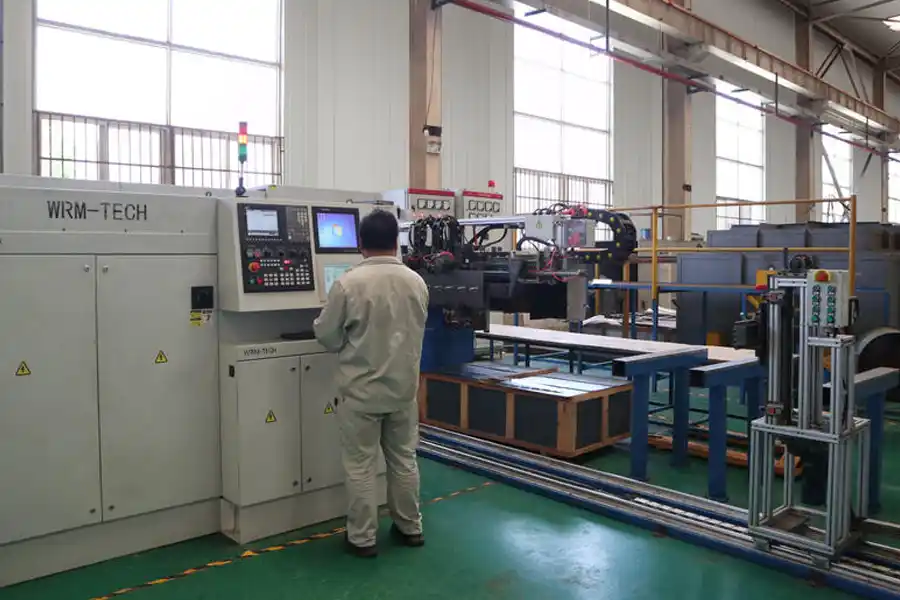
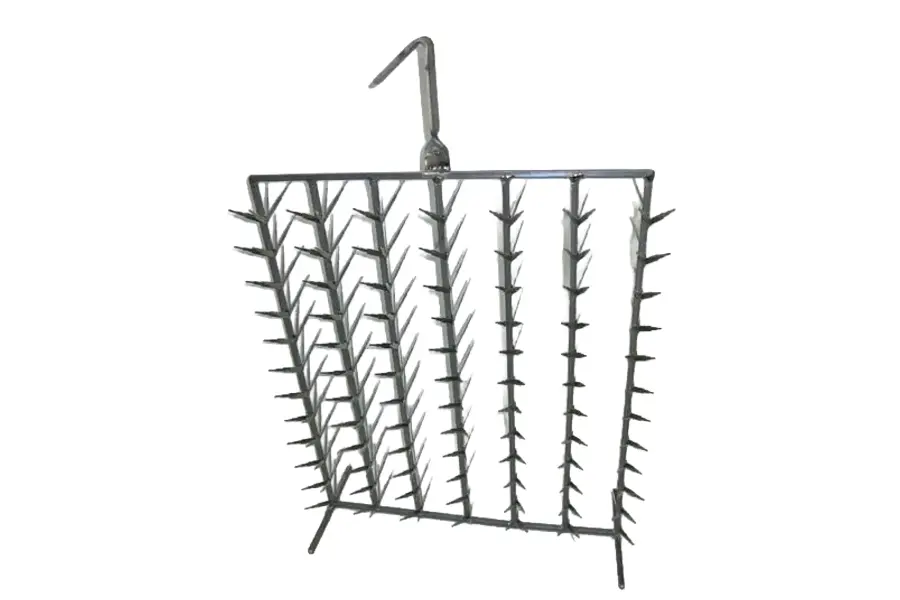
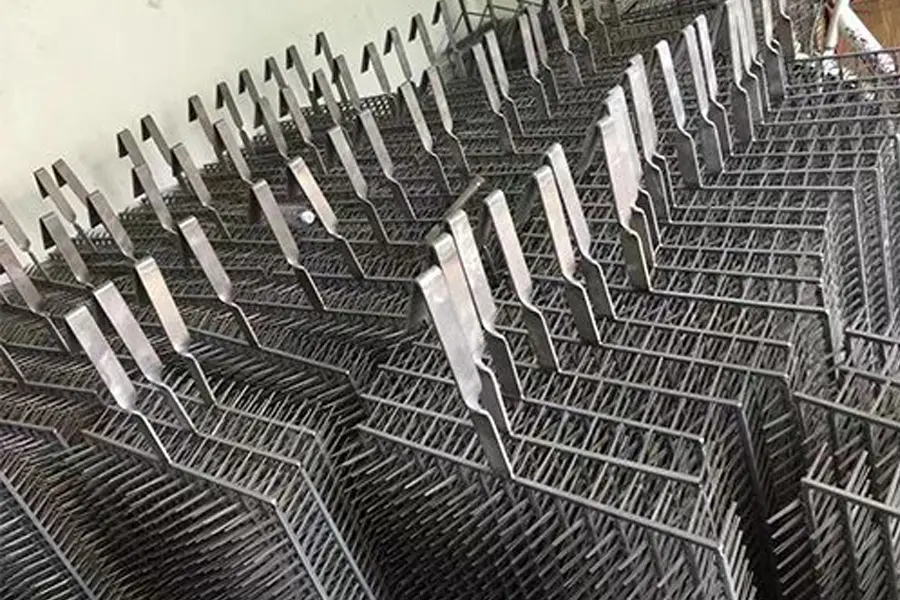
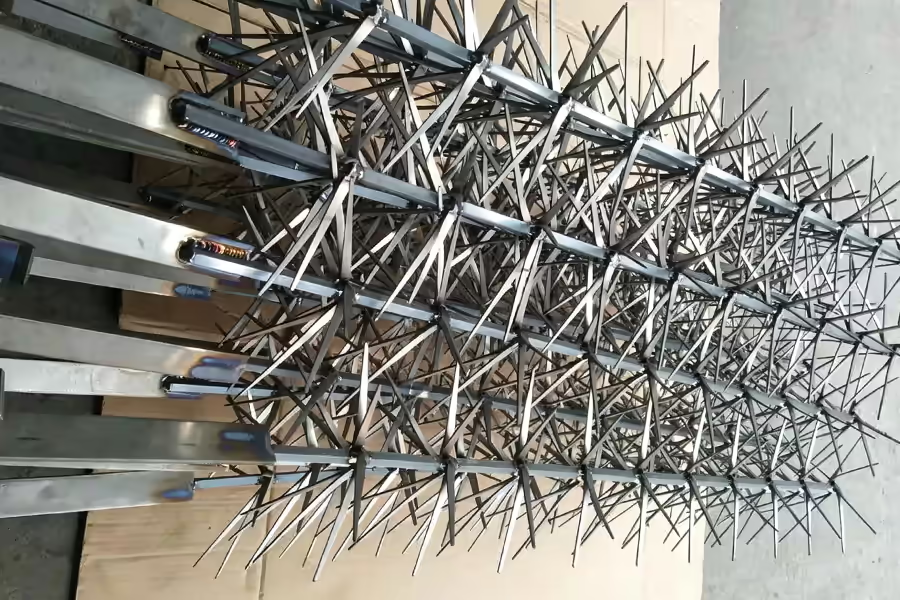
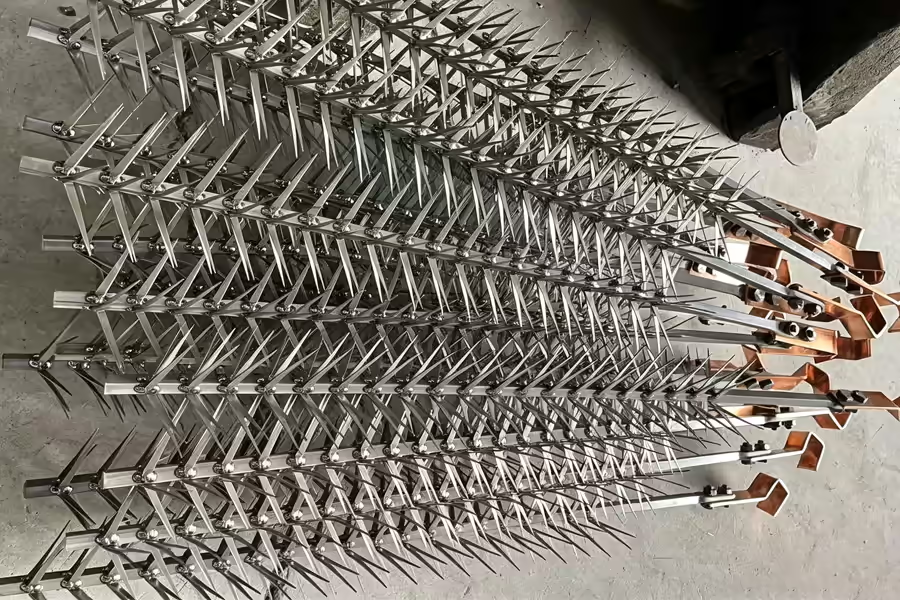
Titanium electroplating racks and fixtures for anodizing, electroplating, and PCB plating lines, fabricated from Grade 1 and Grade 2 titanium per ASTM B265. Every rack is built to your drawing, with welded or bolted joints, contact points sized to your part weight and current, and an optional anodic oxide masking layer that cuts stray current loss at contact-free surfaces. Typical builds use round titanium rod from 3 to 10 mm and flat bar up to 40 mm width, with overall rack dimensions matched to your tank, flight bar, and loader. Send us your drawing or a sketch with your process details and we quote within 24 hours.
Key Specifications at a Glance
| Item | Specification |
|---|---|
| Base material | Titanium Grade 1 or Grade 2 per ASTM B265 (equivalent to Gr.1 / Gr.2 in other standards) |
| Product forms | Frame racks, tree racks, hanging racks, spiral and hook fixtures, PCB plating frames |
| Typical rod and wire sizes | Round rod 3 to 10 mm diameter; flat bar and strip sections on request |
| Joint construction | Welded (TIG), bolted, or threaded connections, selected by load and repair requirements |
| Contact points | Titanium contacts standard; replaceable contact tips available for high-wear positions |
| Surface treatment option | Anodic oxide masking on non-contact areas to reduce stray current loss |
| Chemical resistance | Stable in sulfuric acid anodizing baths, chloride and sulfate based plating electrolytes, and most cleaning and etching solutions |
| Customization | Made to drawing; dimensions configured to tank size, flight bar, part weight, and process current |
| Quality control | Material traceability to ASTM B265 mill certificates; weld and dimensional inspection before shipment |
Current carrying capacity depends on cross section, contact design, and process current, and is confirmed per drawing before fabrication. We do not quote a single universal amperage figure because a figure without the rack geometry behind it would be misleading.
Rack Construction Options
| Option | Best suited for | Notes |
|---|---|---|
| Welded frame | Fixed part families, high volume lines | Rigid, low maintenance, lowest stray current path count |
| Bolted / modular frame | Frequent product changeovers | Contact points and cross bars can be repositioned or replaced |
| Threaded joints | Long racks and shipping constraints | Breaks down for shipping; check torque at scheduled maintenance |
| Replaceable contacts | High-wear contact positions | Only the tip is replaced at service, not the whole rack |
| Oxide masking | Anodizing and long-cycle plating | Insulates non-contact areas, reduces current loss |
Applications
| Process | Typical use |
|---|---|
| Aluminum anodizing | Type II and Type III sulfuric acid lines, rack design with oxide masking |
| Electroplating | Acid zinc, nickel, tin, copper, and hard chromium lines where rack corrosion or bath contamination is a problem |
| PCB plating | Pattern and panel plating frames for copper and tin-lead free tin electrolytes |
| Electropolishing and etching | Fixtures exposed to aggressive acid mixtures |
| E-coat and pretreatment | Hooks and carriers through multistage chemical lines |
How to Order
Racks are made to drawing, so the fastest path to a quote is to send the following, in whatever form you have:
- A drawing, a sketch, or photos of your current rack with dimensions
- Part weight and number of parts per rack
- Process and electrolyte, for example sulfuric acid anodizing or acid zinc plating
- Total current per rack, if known
- Tank dimensions, flight bar profile, and loader or hoist details
Send your drawing to our engineering team and you will receive a quotation with material specification and joint construction within 24 hours.
Frequently Asked Questions
Why use titanium instead of stainless steel or copper for plating racks?
Titanium resists the sulfuric, chloride, and fluoride bearing electrolytes common in anodizing and plating, where stainless steel pits and contaminates the bath. Copper conducts well but dissolves in many plating solutions and plates out onto your parts. Titanium keeps its dimensions and stays clean in the bath, at the cost of higher contact resistance at the part, which is managed through contact design and cross section sizing.
Does the higher electrical resistance of titanium matter?
It matters, and it is handled by design. Titanium conducts less current than copper or aluminum for the same cross section, so contact points and main conductors are sized for your process current, and non-contact areas can be masked with an oxide layer to stop current leaking into the rack body. We confirm the current path and cross section against your process data before fabrication.
Can you build racks to replace the ones we already run?
Yes. Send a drawing, a sketch, or the worn rack itself with dimensions and we fabricate a direct replacement, or a version with improvements such as replaceable contacts or repositionable cross bars if your product mix has changed.
What titanium grade do you recommend?
Grade 2 is the standard choice for racks because it combines good corrosion resistance with formability and weldability. Grade 1 is used where maximum ductility is needed for complex bends. Both grades meet ASTM B265, and mill certificates are supplied with each shipment.
How long does a titanium rack last?
Rack life depends on electrolyte chemistry, current practice, and handling. Because these factors vary line to line, we do not publish a single service life figure. What we can state is the failure mode of alternatives: steel racks corrode through and stainless racks pit, while titanium racks in comparable service are typically retired for mechanical damage long before corrosion becomes the limiting factor.
Request a quote: send us your drawing and process details, and our engineering team will respond with material specification, construction options, and pricing within 24 hours.