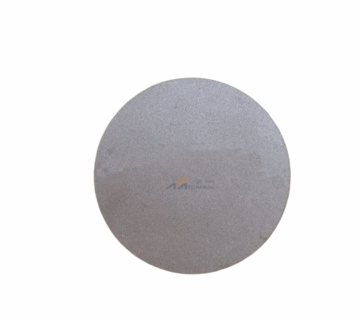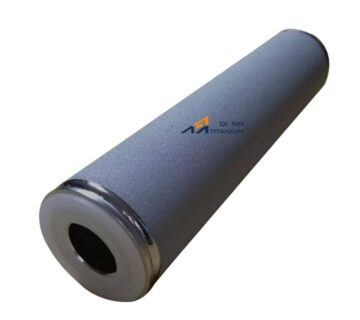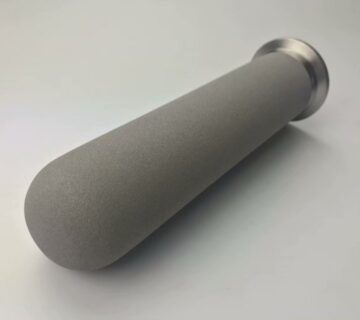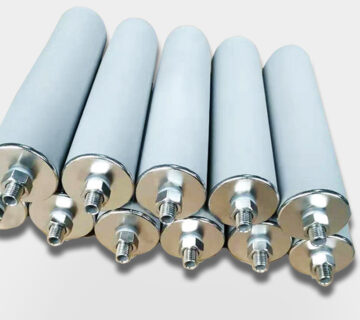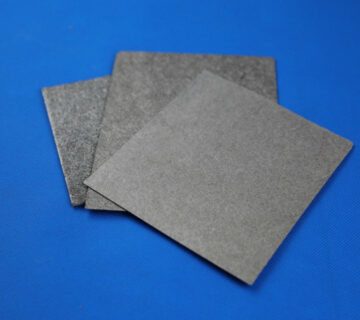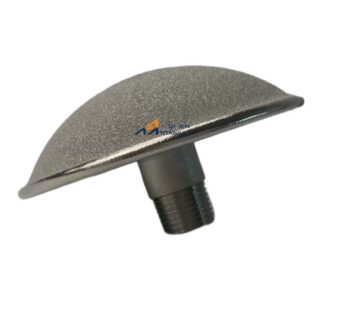


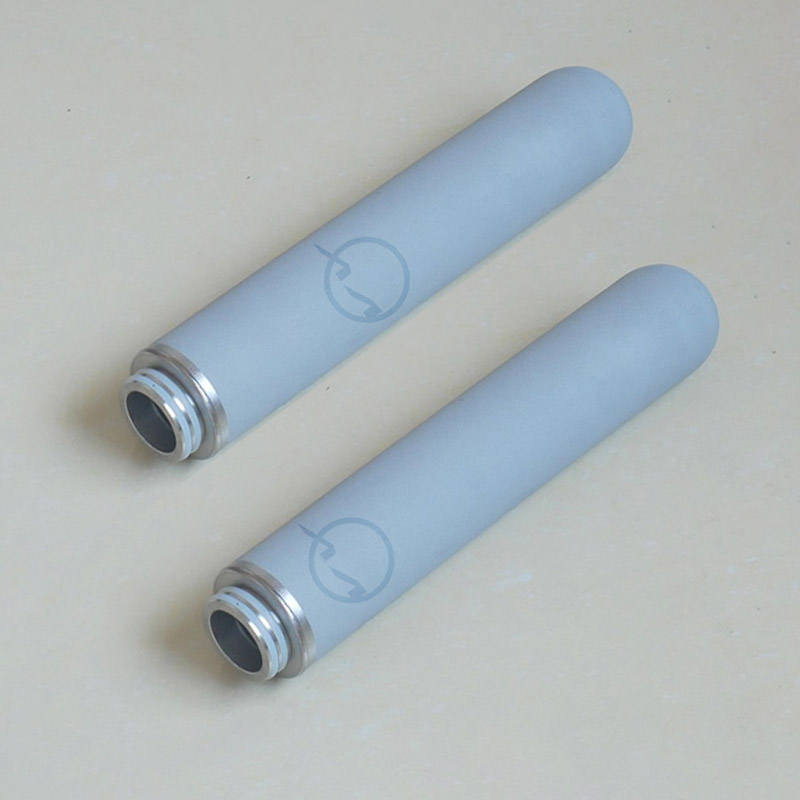
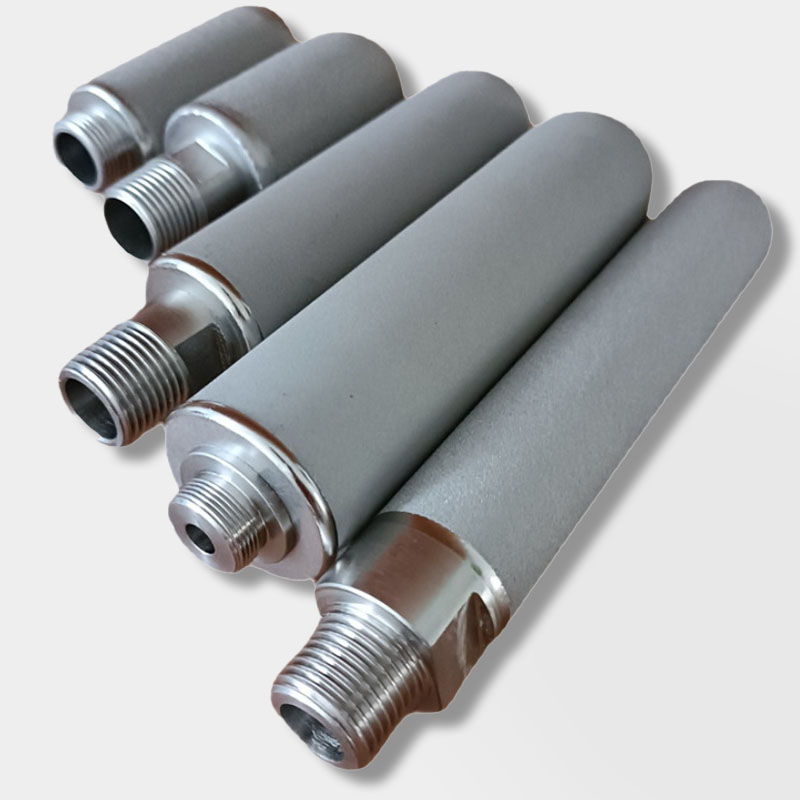
Titanium sintered porous metal filter tube is a high-reliability, long-lasting filtration solution that addresses the limitations of traditional filters in harsh environments. Its core value lies in a uniformly distributed porous structure, outstanding corrosion resistance, and robust mechanical properties—making it a go-to solution for precision filtration, separation, and purification tasks in extreme operating environments, such as handling acidic/alkaline fluids, high-temperature media, or sterile systems.Its combination of corrosion resistance, precision filtration, and reusability makes it a cost-effective choice for industries where filtration efficiency, product quality, and operational stability are critical.
Advantage
Compared to conventional filter materials (e.g., ceramic, polymer, stainless steel), titanium sintered porous filter tubes stand out in harsh and high-demand scenarios due to the following advantages:
(1) Superior Corrosion Resistance
Titanium is chemically inert in most corrosive media, including strong acids (sulfuric acid, hydrochloric acid, nitric acid), strong alkalis (sodium hydroxide, potassium hydroxide), and oxidizing agents (chlorine, ozone, hydrogen peroxide). In environments with pH <2 or pH >12, it outperforms 316L stainless steel (which is prone to pitting corrosion) and ceramic (which may crack in acidic media). Its service life typically ranges from 5–10 years, compared to 1–2 years for stainless steel filters and 6–12 months for polymer filters.
(2) High Mechanical Strength & Pressure Resistance
The sintered porous structure retains titanium’s inherent mechanical properties: compressive strength ≥200 MPa, tensile strength ≥150 MPa, and flexural strength ≥180 MPa. This allows the filter tube to withstand high differential pressures (up to 1.0 MPa) and mechanical vibrations (e.g., in industrial pipelines) without cracking, deforming, or collapsing—critical for continuous filtration in high-pressure systems.
(3) Precise & Consistent Filtration Efficiency
With a pore size tolerance of ±5%, the interconnected porous structure ensures uniform particle retention. For example, a filter tube with 5 μm pores can reliably remove 99.9% of particles ≥5 μm, with no “bypass” (unfiltered fluid) that is common in filters with uneven pores (e.g., some ceramic filters). This precision makes it suitable for applications requiring strict particle control, such as pharmaceutical sterile filtration or electronic grade fluid purification.
(4) Wide Temperature Adaptability
Titanium maintains stable performance across an extreme temperature range of -200°C to 600°C. This far exceeds polymer filters (which degrade above 150°C) and ceramic filters (which may thermal shock at temperatures above 300°C). It is therefore ideal for high-temperature filtration tasks, such as filtering hot chemical reactants (e.g., 400°C molten salts) or steam (e.g., in power plant steam purification).
(5) Reusability & Easy Maintenance
The smooth titanium surface and open porous structure prevent particles from embedding deeply into the material. When fouled, the filter tube can be cleaned repeatedly using three common methods:
Backwashing: Reverse fluid flow (at 1.2–1.5 times the normal filtration pressure) flushes out trapped particles—suitable for removing loose sediments.
Chemical Cleaning: Soaking in 5–10% nitric acid (for inorganic deposits like scale) or 2–5% sodium hydroxide (for organic deposits like oil) for 2–4 hours, followed by rinsing with deionized water—effective for stubborn fouling.
Ultrasonic Cleaning: Ultrasonic waves (20–40 kHz) dislodge micro-particle blockages in pores—ideal for precision filters used in pharmaceutical or electronic applications.
Repeated cleaning extends the filter tube’s service life, reducing replacement costs and environmental waste.
Applications
The titanium sintered porous metal filter tube’s versatility and durability make it indispensable in industries requiring precision filtration under harsh or strict conditions:
(1) Chemical & Petrochemical Industry
Filtration of corrosive chemical solutions (e.g., acid catalysts in organic synthesis, alkaline electrolytes in chlor-alkali production), separation of solid particles from liquid reactants (e.g., removing catalyst residues from polymer monomers), and purification of petrochemical products (e.g., filtering impurities from ethylene glycol to prevent pipeline blockages).
(2) Pharmaceutical & Biotech Industry
Micro-filtration of pharmaceutical solutions (e.g., removing cell debris from antibiotic fermentation broths), sterile filtration of injectables (e.g., ensuring no bacteria or endotoxins in vaccines), and separation of biological molecules (e.g., purifying proteins by filtering out aggregates).
(3) Food & Beverage Industry
Filtration of fruit juices (e.g., removing pulp and sediment from orange juice to improve clarity), purification of edible oils (e.g., filtering out catalyst residues from hydrogenated vegetable oils), and sterile filtration of beer/wine (e.g., removing yeast and bacteria to extend shelf life).
(4) Environmental & Water Treatment Industry
Advanced filtration of industrial wastewater (e.g., removing heavy metal hydroxides from electroplating wastewater), pretreatment for membrane systems (e.g., filtering suspended solids from raw water to protect reverse osmosis membranes in desalination plants), and filtration of acidic/alkaline wastewater (e.g., treating pickling wastewater from steel plants).
(5) Aerospace & Automotive Industry
Filtration of hydraulic fluids (e.g., in aircraft landing gear systems, where even tiny metal particles can cause valve jamming), purification of fuel (e.g., filtering impurities from jet fuel to prevent engine wear), and filtration of lubricating oils in high-temperature engines (e.g., automotive turbocharged engines operating at 300–400°C).
Company Profile
Qixin titanium Co.Ltd, is a leading manufacturer specializing in coated titanium anode. With an extensive historyand a wealth of expertise, we have been dedicated to providing high-quality products and solutions to variousindustries for many years.Our company was established 2006, and since then, we have accumulated 18 years of valuable manufacturingexperience. This experience has enabled us to master the art and science of producing top-notch coated titaniumanodes that meet the most stringent quality standards.We take pride in our state-of-the -art manufacturing facilities and a team of highly skilled professionals. Ourengineers and technicians are experts in the field, constantly researching and innovating to improve our productsand processes.
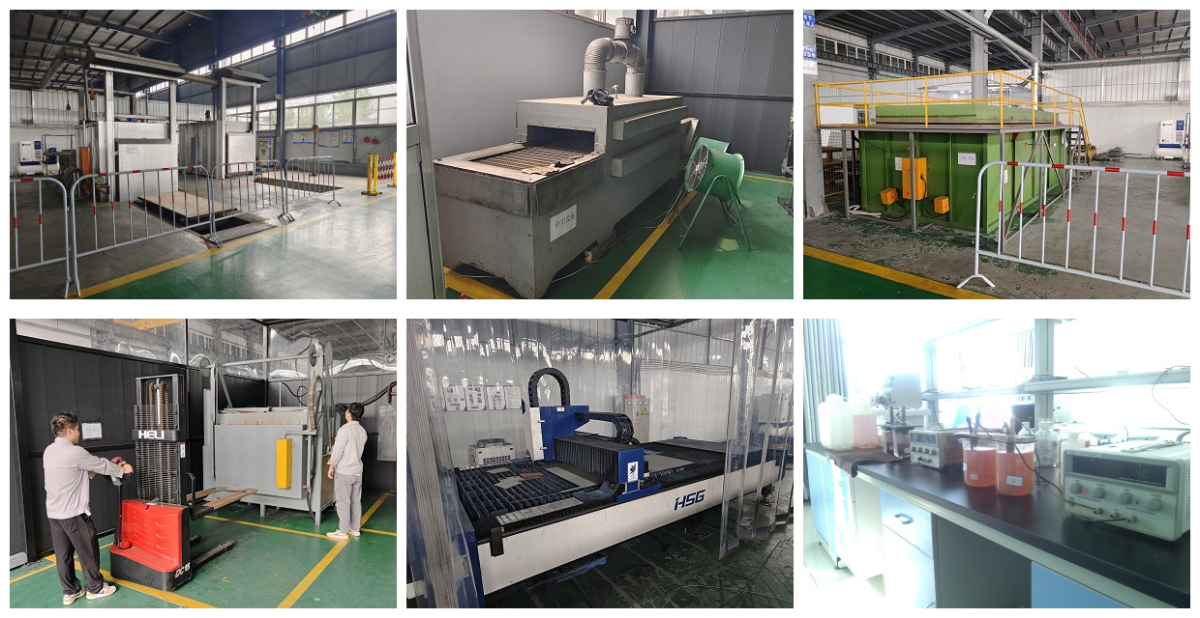
production
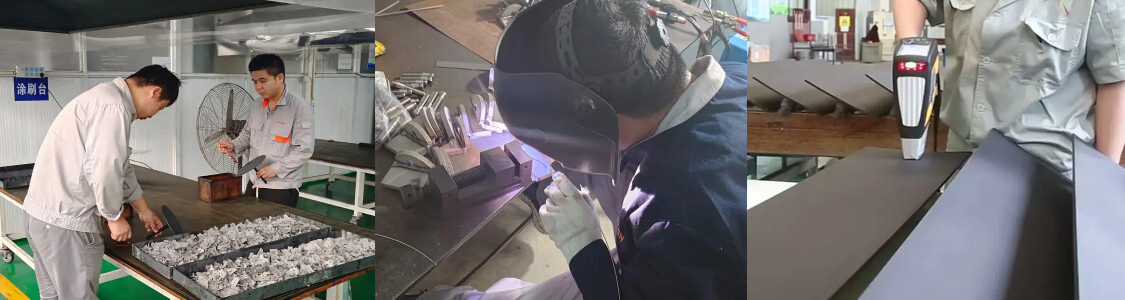
1. Substrate treatment: it needs to be treated by roughing, cleaning and removing oil, which can increase the compactness of catalytic.
2. Brushing coating:After substrate treatment, it will be proceeded brush coated. The main coated content is platinum group metal, which is a kind of mixed solution.Then, heat treatment will be going on after drying.The whole procedure need to be repeated many times. This method is better to form thin oxide catalytic that is lamellar adhere to substrate surface.
Why choose us?
1. Superior Material Quality & Durability
Corrosion Resistance: Titanium’s inherent resistance to acids, alkalis, and chloride-rich environments ensures long service life in demanding applications like cobalt electrowinning or wastewater treatment.
High Strength & Stability: Titanium maintains structural integrity under high currents and temperatures, reducing the risk of deformation or degradation.
Customized Coatings: We apply advanced oxide coatings (e.g., ruthenium, iridium, platinum group metals) tailored to your process, enhancing conductivity, catalytic activity, and longevity.
2. Technical Expertise & Custom Solutions
Tailored Design: We analyze your process parameters (current density, electrolyte composition, temperature) to design anodes that maximize efficiency.
R&D-Driven Innovation: Our team stays ahead of industry trends, integrating the latest coating technologies (e.g., mixed metal oxides, dimensionally stable anodes – DSAs) for performance gains.
Testing & Validation: Pre-production prototypes undergo rigorous testing to ensure compliance with your specifications.
3. Cost-Effectiveness & Sustainability
Lower Total Cost of Ownership (TCO):
Longevity reduces replacement frequency compared to traditional anodes (e.g., lead, graphite).
Energy-efficient designs cut electricity costs in large-scale operations.
Eco-Friendly: Titanium is recyclable, and our coatings minimize metal leaching, aligning with environmental regulations.
4. Reliable Service & Support
Global Supply Chain: Timely delivery through the streamlined manufacturing and logistics network.
Technical Support: Post-installation guidance, troubleshooting, and maintenance recommendations.
Compliance Assurance: Anodes meet international standards (e.g., ISO, SGS) and can be certified for specific industries (e.g., mining, water treatment).

FAQ
1. How to ensure the product quality?
All products make 100% inspection before shipment also we can provide the MTC Material Test Certification.
2. Can you print our Logo on the products?
Sure, and we welcome the customerized products.
3.What about the payment terms?.
T/T, L/C, Paypal, Western Union, Escrew and MoneyGram etc are all accepted.
4.What is the necessary information for an inquiry?
Product name, specification, material grade and quantity.
5.Can we get a free sample before cargo production?
Sure.