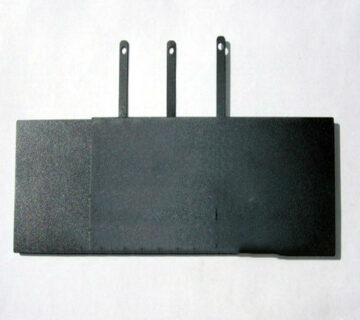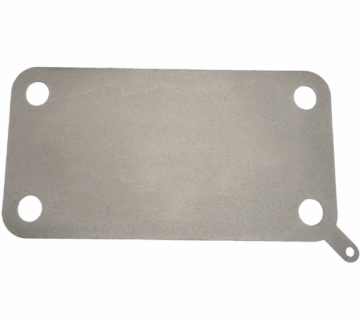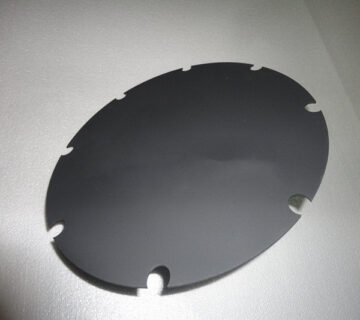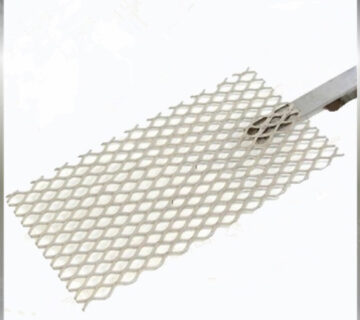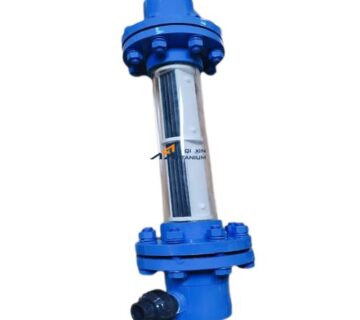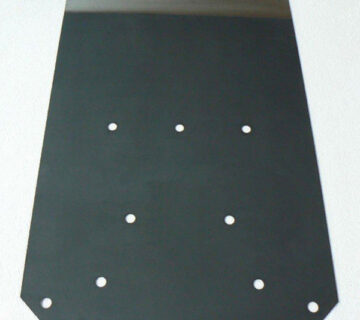



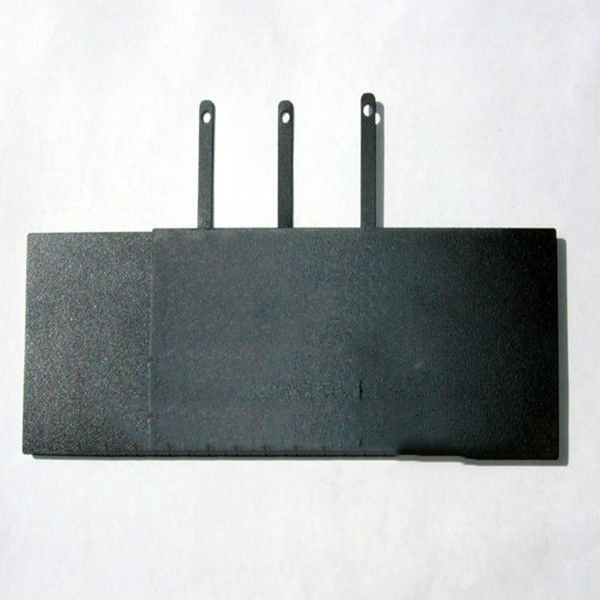
Titanium anodes, especially those coated with precious metal oxides like ruthenium-iridium, are widely used in brine electrolysis antifouling for their outstanding electrochemical performance. The core advantage lies in the synergy between the titanium substrate and the coating—titanium’s inherent resistance to chloride ions combines with the ruthenium-iridium oxide coating as an efficient catalyst, lowering the potential for chlorine evolution and converting brine into bactericidal hypochlorous acid to inhibit marine biofouling.
Brine electrolysis antifouling operates on a straightforward principle: an electric current drives electrochemical reactions at the titanium anode, converting chloride ions into oxidizing active chlorine. The key lies in coating technology advancements—early single ruthenium coatings prone to cracking have evolved into gradient-designed ruthenium-iridium-titanium composite coatings, which not only enhance catalytic efficiency (reducing chlorine evolution overpotential by ~0.3V) but also maintain stability in seawater. For example, a coastal power plant used a three-layer ruthenium-iridium-titanium anode that showed <5μm coating loss after 3 years of continuous operation in 35°C seawater.
Advantages
Exceptional Longevity: Compared to traditional lead-silver anodes, titanium anodes last 5–8 years in seawater with 3,000ppm chloride ions. A ship cooling system case showed that gentle rinsing with 5% dilute hydrochloric acid to remove calcium-magnesium deposits extended lifespan by 20%.
Energy Efficiency: After replacing anodes with ruthenium-iridium-titanium in a chemical park’s circulating water system, the cell voltage dropped from 6.8V to 5.2V, saving ~150,000 kWh annually—attributed to improved current efficiency (from 82% to 95%).
Environmental Friendliness: Unlike lead anodes releasing heavy metals, precious metal coatings on titanium anodes can be recycled professionally. One environmental firm’s technology recovers 99% of iridium, drastically reducing hazardous waste treatment costs.
Application
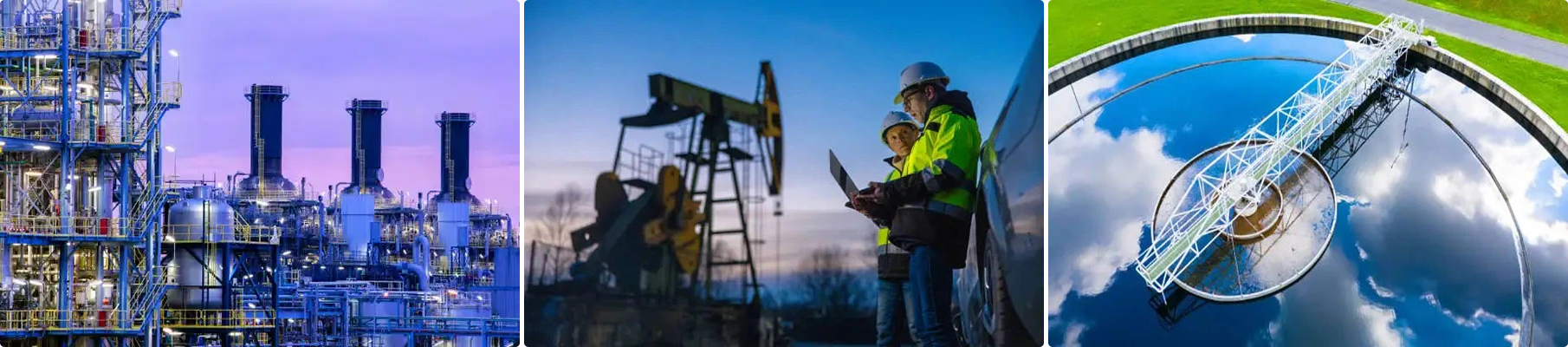
Marine equipment: It is widely used in the anti – fouling systems of coastal power plants, nuclear power plants, and ships.For example, in the cooling water systems of these facilities, titanium anodes are used to electrolyze seawater to produce active chlorine, which prevents the attachment and growth of marine organisms on the inner walls of pipelines and equipment, ensuring the normal operation of the cooling water systems.
Industrial circulating water systems: In some industrial production processes, such as in chemical plants and steel plants, circulating water systems are prone to fouling problems. Brine electrolysis anti – fouling technology using titanium anodes can be used to treat circulating water, kill bacteria and algae in the water, and prevent the formation of scale and bio – fouling, thereby improving the efficiency and service life of the circulating water systems.
Company Profile
Qixin titanium Co.Ltd, is a leading manufacturer specializing in coated titanium anode. With an extensive historyand a wealth of expertise, we have been dedicated to providing high-quality products and solutions to variousindustries for many years.Our company was established 2006, and since then, we have accumulated 18 years of valuable manufacturingexperience. This experience has enabled us to master the art and science of producing top-notch coated titaniumanodes that meet the most stringent quality standards.We take pride in our state-of-the -art manufacturing facilities and a team of highly skilled professionals. Ourengineers and technicians are experts in the field, constantly researching and innovating to improve our productsand processes.
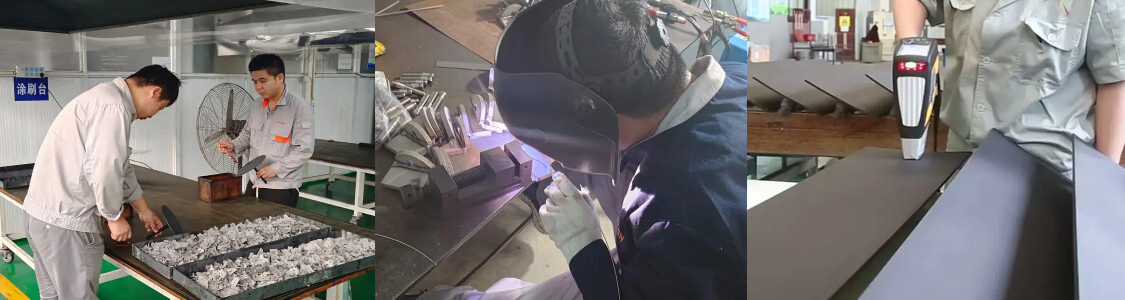
production
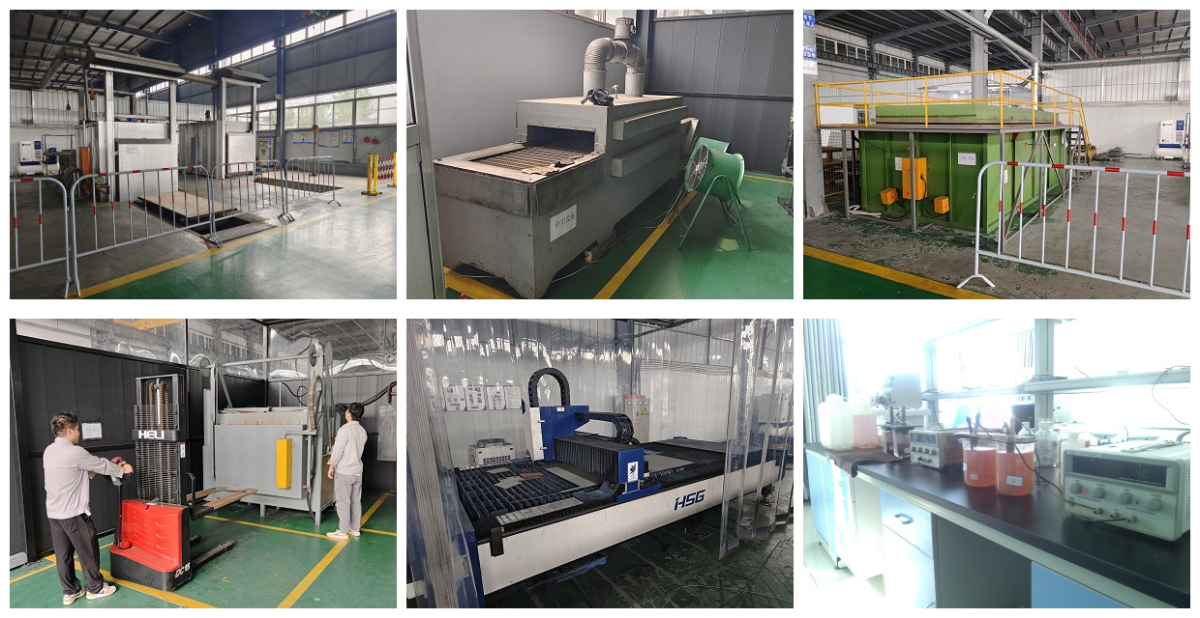
1. Substrate treatment: it needs to be treated by roughing, cleaning and removing oil, which can increase the compactness of catalytic.
2. Brushing coating:After substrate treatment, it will be proceeded brush coated. The main coated content is platinum group metal, which is a kind of mixed solution.Then, heat treatment will be going on after drying.The whole procedure need to be repeated many times. This method is better to form thin oxide catalytic that is lamellar adhere to substrate surface.
Why choose us?
1. Superior Material Quality & Durability
Corrosion Resistance: Titanium’s inherent resistance to acids, alkalis, and chloride-rich environments ensures long service life in demanding applications like cobalt electrowinning or wastewater treatment.
High Strength & Stability: Titanium maintains structural integrity under high currents and temperatures, reducing the risk of deformation or degradation.
Customized Coatings: We apply advanced oxide coatings (e.g., ruthenium, iridium, platinum group metals) tailored to your process, enhancing conductivity, catalytic activity, and longevity.
2. Technical Expertise & Custom Solutions
Tailored Design: We analyze your process parameters (current density, electrolyte composition, temperature) to design anodes that maximize efficiency.
R&D-Driven Innovation: Our team stays ahead of industry trends, integrating the latest coating technologies (e.g., mixed metal oxides, dimensionally stable anodes – DSAs) for performance gains.
Testing & Validation: Pre-production prototypes undergo rigorous testing to ensure compliance with your specifications.
3. Cost-Effectiveness & Sustainability
Lower Total Cost of Ownership (TCO):
Longevity reduces replacement frequency compared to traditional anodes (e.g., lead, graphite).
Energy-efficient designs cut electricity costs in large-scale operations.
Eco-Friendly: Titanium is recyclable, and our coatings minimize metal leaching, aligning with environmental regulations.
4. Reliable Service & Support
Global Supply Chain: Timely delivery through the streamlined manufacturing and logistics network.
Technical Support: Post-installation guidance, troubleshooting, and maintenance recommendations.
Compliance Assurance: Anodes meet international standards (e.g., ISO, SGS) and can be certified for specific industries (e.g., mining, water treatment).

FAQ
1. How to ensure the product quality?
All products make 100% inspection before shipment also we can provide the MTC Material Test Certification.
2. Can you print our Logo on the products?
Sure, and we welcome the customerized products.
3.What about the payment terms?.
T/T, L/C, Paypal, Western Union, Escrew and MoneyGram etc are all accepted.
4.What is the necessary information for an inquiry?
Product name, specification, material grade and quantity.
5.Can we get a free sample before cargo production?
Sure.